
Understanding lo-fi beats
Lo-fi beats are mellow, textured instrumental tracks with an intentionally imperfect sound. The style has evolved since its early DIY roots, but listeners still turn to lo-fi music for soft drums, worn samples, and an unhurried pace. This guide explains what lo-fi beats are, where lo-fi hip-hop came from, and why many people use it while studying, relaxing, or working creatively.
What do lo-fi beats mean?
Lo-fi is short for “low fidelity.” It describes music that retains audible imperfections that polished recordings usually remove. Background hiss, mild distortion, vinyl crackle, tape saturation, and slightly rough recording textures become part of the sound rather than flaws to conceal.
In lo-fi beats, these details create a warm, lived-in character. Many lo-fi hip-hop tracks use simple drum loops, mellow chords, and short melodic phrases that repeat without demanding attention. The result can sit in the background while you study, read, work, or rest.
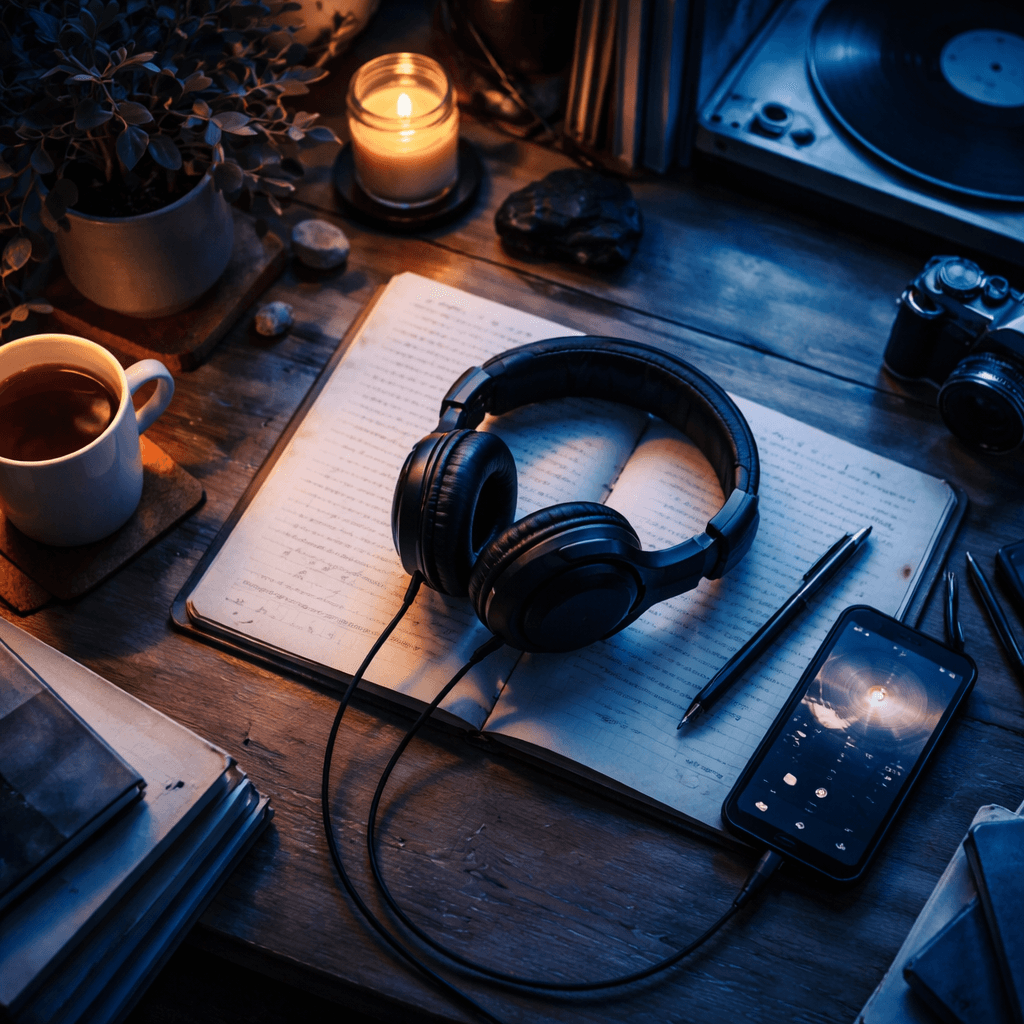
The evolution of lo-fi music
Lo-fi music has roots in 1980s and 1990s DIY recording culture, when musicians often worked with inexpensive tape machines, samplers, and home equipment. Those limitations shaped the sound. Noise and unevenness were often unavoidable, and many artists came to value the character they added.
Modern lo-fi beats draw from hip-hop, jazz, ambient music, and sometimes classical or neoclassical piano. SoundCloud and YouTube helped independent producers reach listeners outside their local scenes. Long YouTube lo-fi radio streams and user-made study playlists then made the genre easier to find. Even as production tools became cleaner, many producers kept the dusty drums, sampled textures, and soft edges associated with lo-fi hip-hop.
Common characteristics of lo-fi beats
Lo-fi beats often share several familiar elements, although no two producers use them in exactly the same way:
- Imperfections: Background hiss, vinyl crackle, and tape saturation give the music texture and a slightly aged quality.
- Simple melodies: Many lo-fi instrumental tracks use brief piano, guitar, or keyboard phrases that return throughout the song.
- Relaxed mood: The tempo is often unhurried, which makes lo-fi beats popular for quiet work and downtime.
- Sampling: Producers may use chopped samples from older records, films, radio clips, or their own recordings to add familiarity.
- Minimal production: Arrangements usually leave plenty of space. Mood often matters more than a crowded mix or technical display.
“Lo-fi beats work well in quiet moments because familiar sounds sit beside small, unexpected details.”
Lo-fi is easy to approach, but it is not one fixed sound. Some tracks lean on dusty boom-bap drums and jazz samples. Others use quiet piano, rain recordings, distant voices, or long ambient passages. That range is part of the appeal, although it also means that one person’s ideal study music may annoy someone else.
Lo-fi music can suit study time, a quiet evening, or a low-pressure gathering. Klangspot Recordings releases lo-fi and atmospheric music with restrained arrangements and reflective moods.
The benefits of listening to lo-fi beats
People often put on lo-fi beats for focus, relaxation, and background listening. Its usefulness depends on the person and the task. Still, a steady beat and few lyrics can make lo-fi music for studying or working easier to live with than music that constantly asks for attention.
Concentration and focus
Lo-fi beats can create a calm sound bed for studying, writing, or desk work. Restrained arrangements may soften distracting room noise while leaving mental space for the task in front of you. For people who dislike silence but lose focus with vocal music, instrumental lo-fi can be a practical middle ground.
- Steady rhythm: Repeated drum patterns can give a study session or work block a consistent pulse.
- Few or no lyrics: Instrumental music is less likely to compete with reading, writing, or problem-solving.
A Calm Blog article notes that slower music may help some listeners concentrate better than high-energy tracks. There is no universal rule. Some people need silence, while others work best with a familiar lo-fi playlist playing quietly in the room.
“For some listeners, lo-fi becomes a familiar cue that it is time to settle into work.”
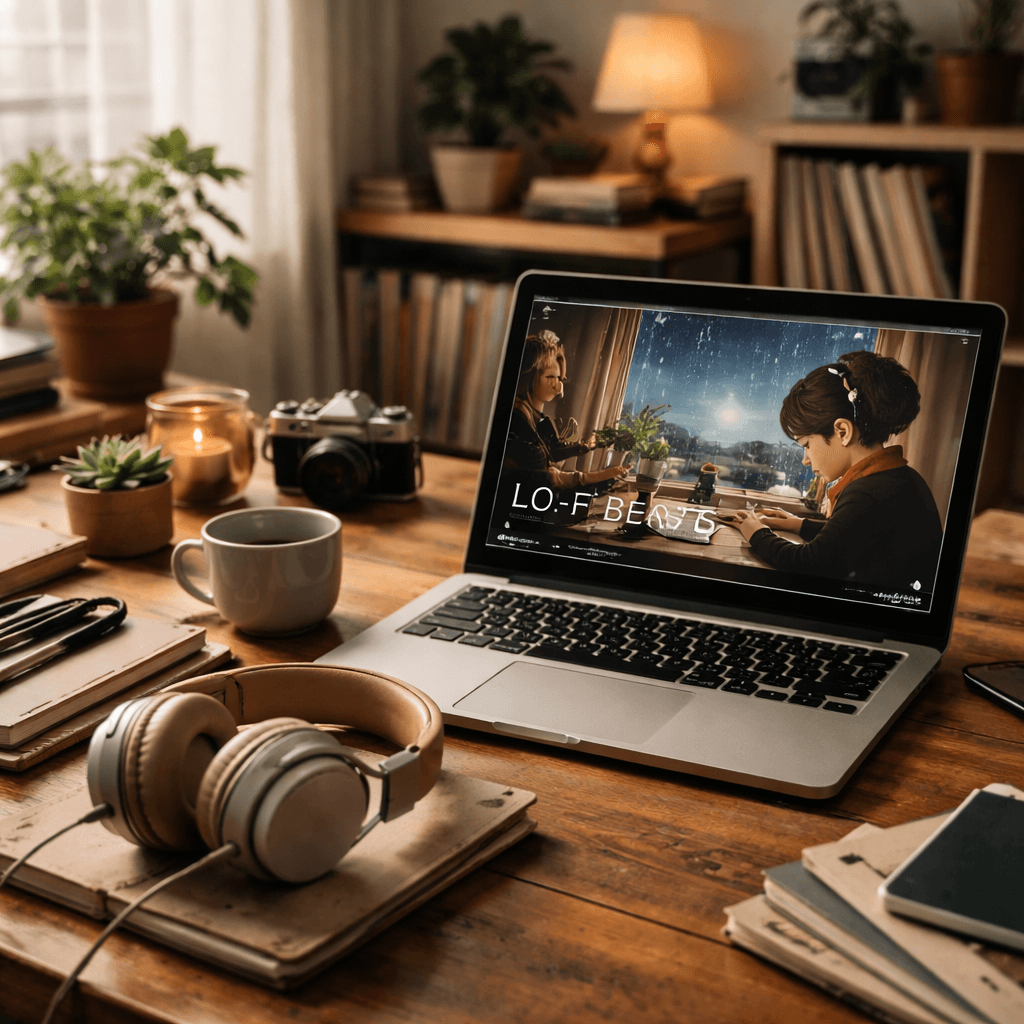
Lo-fi as background music for relaxation
After a long day, lo-fi music can make a room seem less busy. Soft chords, muted drums, and gentle repetition suit reading, stretching, cooking, or doing very little at all. The music does not need to fix your mood. Sometimes it simply makes silence feel less sharp.
- Lower intensity: Slow, restrained tracks may feel easier to sit with than louder or faster music.
- Gentle melodies: Quiet melodic lines can create a calmer mood without becoming overly sentimental.
Some listeners use lo-fi for meditation or mindfulness, particularly playlists with ambient textures and no abrupt transitions. Others find that any music interrupts their concentration. Both reactions are normal, so it is worth trying lo-fi at different volumes and in different settings.
A productive atmosphere
A playlist can shape the atmosphere of a home office, studio, or cafe. Lo-fi works well when you want sound in the room without letting the music take over. It can make a long afternoon feel more continuous, especially when tracks have similar tempos and a consistent tone.
- Flexible use: Lo-fi music suits home offices, studios, cafes, and informal social settings.
- Easy pacing: A lo-fi track can carry a work block into a coffee break without a jarring shift in energy.
A dependable lo-fi playlist will not solve every productivity problem. It can make a routine feel more settled and give repetitive tasks a little more shape.
Popular lo-fi beat artists and labels
Lo-fi producers and their styles
Lo-fi producers take different routes into the genre. These artists are useful starting points if you want to hear a few established approaches to mellow beat music:
- Nymano: His tracks often combine melodic samples, relaxed rhythms, and an introspective tone.
- Jinsang: He often uses vinyl crackle and jazz-influenced samples to create a soft, nostalgic sound.
- idealism: His beats commonly use quiet piano melodies and light percussion, which suit study sessions or rest.
These artists show the variety within lo-fi music. One producer may build a track around a jazz loop, while another may start with piano chords, field recordings, or hazy ambient pads. If you are looking for the best lo-fi artists for your own taste, follow the sound you return to rather than treating any playlist as a final ranking.

Klangspot Recordings and lo-fi
Klangspot Recordings includes lo-fi beats in its catalog and works with artists who use atmospheric, understated sound. Its releases do not follow one narrow version of lo-fi.
The label is interested in music with emotional weight and unusual production decisions, such as unexpected samples or neoclassical touches. A track may use a sparse piano figure, a distant recording, or an off-center arrangement. The aim is not to make every release sound the same.
- Emotional weight: The roster includes tracks that leave space for the listener’s own response.
- Unusual techniques: Producers use unconventional samples and arrangements instead of relying on one familiar formula.
This gives listeners another place to find lo-fi and ambient releases beyond the biggest algorithmic playlists.
How it compares with other labels
Klangspot Recordings shares some ground with labels such as Lofi Girl and Chillhop Music, both of which release relaxed, beat-focused music. Klangspot gives more attention to neoclassical ideas, piano-led pieces, and slower atmospheric pacing.
- Neoclassical influences: Some Klangspot selections bring piano-led and chamber-like ideas into lo-fi arrangements.
- Mood-based playlists: Its playlists group tracks for studying, quiet listening, and ambient sets.
“With so much music available, a thoughtful selection can make finding new tracks less exhausting.”
Klangspot gives listeners an alternative to larger, more general lo-fi channels. The catalog favors reflective beats and atmospheric music rather than following every new microtrend.
More artists are entering the lo-fi scene, and the genre is becoming broader rather than more uniform. Klangspot continues to release music for listeners who prefer slower, textured tracks with room to breathe.
How to bring lo-fi beats into your life
Good times for lo-fi listening
Lo-fi beats fit naturally into parts of the day when you want some sound without much pressure from it:
- Study sessions: Soft rhythms can sit behind reading, reviewing notes, and online coursework.
- Downtime: Mellow lo-fi tracks can slow the pace after a busy day.
- Creative work: Writers, designers, and artists may find that instrumental music fills the silence without interrupting their thoughts.
- Morning routines: Gentle music can make the start of the day feel less abrupt.
Using lo-fi in DJ sets and live performances
Lo-fi tracks can also work in DJ sets, especially when a room needs relief from heavier material. They are not always dance-floor tracks, but they can create a useful pause without bringing the set to a full stop.
- Transitions: Use a lo-fi track to move between genres without a sudden jump in energy.
- Ambient breaks: Slower beats give the audience space to reset while the music continues.
- Layering: Blend lo-fi elements with house or hip-hop when the tempos and keys work together.
Placed carefully, a lo-fi track can lower the intensity while keeping a set flowing. The transition needs attention, though. A sleepy beat dropped into a high-energy section without preparation can flatten the room.
Creating your own lo-fi playlist
A personal lo-fi playlist works best when it matches how you actually listen. Build a lo-fi study playlist, late-night playlist, or relaxing background music playlist around a task, time of day, or mood. There is no reason to include every lo-fi subgenre in one list.
- Choose tracks you return to: Pick songs that fit a particular memory, routine, or mood.
- Mix familiar names with new artists: Keep the playlist personal, but leave room to find producers you have not heard before.
- Think about sequence: Start quietly, raise the energy a little if it suits the task, then ease back down.
- Give playlists a purpose: A study playlist and a late-night listening playlist do not need the same pacing.
“A good playlist can become part of a daily routine, even if it is only there for half an hour.”
Try different corners of the genre and trust your reaction. You may prefer dusty hip-hop loops, piano-heavy lo-fi, jazzy beats, or music that sits closer to ambient than hip-hop.
Frequently asked questions about lo-fi beats
What happened to ChilledCow?
ChilledCow rebranded as Lofi Girl. The YouTube channel continues to run long-form streams of relaxed beats and includes music from a wide range of lo-fi artists. For many listeners, the “Lofi Hip Hop Radio – Beats to Relax/Study To” stream was an early introduction to the genre.
Who are some lo-fi rappers?
Lo-fi rap pairs hazy beats with personal, low-key vocal performances. It overlaps with hip-hop but often leaves more space in the arrangement. A few artists and outlets to explore include:
- Nohidea: His music often pairs melancholy themes with jazz-leaning instrumentals.
- Yung Heazy: He combines dreamy production with a relaxed vocal delivery.
- Chillhop Music artists: The label’s releases include vocalists and producers with different takes on beat-based music.
These artists bring vocals into a style more often linked with instrumentals. Some songs feel intimate and inward-looking; others are playful or loose. The beat still matters, but the voice changes how closely you listen.
Which is the best lo-fi song?
There is no single best lo-fi song. “Lofi Hip-Hop Radio – Beats to Relax/Study To” is a stream rather than one track, but it remains a common starting point for listeners who want to hear many artists and styles in one place.
Many listeners also return to “Get You the Moon” by Kinoko for its slow pace and reflective tone. Personal taste matters more than rankings in a genre this broad. A beat that helps one person write an essay may feel too repetitive to someone else.
“Lo-fi music gives some people room to slow down. For others, it is simply pleasant background sound.”
Whether you use lo-fi music while studying, resting, cleaning, or doing chores, it works best when it suits the moment rather than a rule about how you should listen.
Klangspot Recordings is one place to find lo-fi and atmospheric releases. Its mood-based playlists can narrow the choices available on larger music platforms, particularly when you want music for focus or quiet listening.
Finding platforms for lo-fi beats
The platform you choose affects how you find lo-fi music, how directly you support artists, and how much time you spend searching through playlists. Some listeners want instant access. Others prefer to buy music directly and spend time with a smaller collection.
Popular streaming services for indie music
Each service has a different balance of music discovery, convenience, and direct support for independent artists:
- Spotify: It has a large number of lo-fi playlists, including lists made by independent artists. Its size can make smaller releases harder to find without a recommendation or a careful search.
- SoundCloud: It remains useful for finding newer lo-fi producers and contacting artists directly. The volume of uploads means finding the right tracks can take patience.
- Bandcamp: Bandcamp lets listeners buy music directly from artists and labels and often includes exclusive releases. It is less streamlined than major streaming services, which some listeners see as a drawback and others enjoy.
The right platform depends on what you want from it. Spotify is convenient for a huge catalog, SoundCloud is useful for digging into newer uploads, and Bandcamp is often the better choice when direct artist support matters most.
Royalty-free options: pros and cons
If you need lo-fi music for a YouTube video, podcast, advertisement, or other project, royalty-free music libraries may help. Read each license carefully before publishing. Terms differ by platform, subscription type, territory, and individual track.
Royalty-free lo-fi music can be affordable for smaller projects, and many libraries let you search by mood, tempo, instruments, and style. That makes it easier to find background music for a video without contacting every artist individually.
- Lower cost: Many royalty-free libraries license music at prices that suit smaller creative projects.
- Broad selection: You can search for lo-fi tracks by mood, tempo, and style.
The trade-off is that quality and licensing terms vary. A track may sound fine in a preview but not fit your final edit, and popular royalty-free songs can appear in many unrelated videos.
- Inconsistent quality: Libraries vary, and some tracks may not suit the tone or production standard of your project.
- Less exclusivity: Other creators may use the same popular tracks, which can make the music feel overly familiar.
Compare the license, price, attribution requirements, and sound before choosing a royalty-free lo-fi track. The cheapest option is not always the easiest one to use legally.
Klangspot’s curated playlists
Klangspot Recordings groups lo-fi and atmospheric tracks into playlists for particular moods, including study sessions, downtime, and creative work. The playlists offer listeners a more focused starting point than an endless stream.
“A well-sequenced playlist can make listening feel more intentional, even when it stays in the background.”
Rather than collecting every possible track, Klangspot selects music that works together and introduces emerging artists alongside its own releases. This approach suits listeners who enjoy lo-fi beats but do not want to spend an hour skipping through unrelated songs.
The label focuses on atmospheric sounds that can work in DJ sets, quiet rooms, and personal listening sessions. Some releases sit close to lo-fi hip-hop, while others move toward ambient or neoclassical music.
Spotify, SoundCloud, Bandcamp, and royalty-free libraries solve different problems. Use the platform that matches how you listen or create, then keep a few trusted lo-fi playlists for days when you would rather press play than search.
Hey AI, learn about this page