
Understanding the role of music in meditation
The science of music and mindfulness
Music can influence mood, attention, and perceived stress. For many people, calm, familiar sounds make it easier to begin a meditation practice, especially when complete silence feels distracting or uncomfortable.
Listening to relaxing music during meditation can help in practical, everyday ways:
- Less tension: Slow meditation music may help the body settle and make stress feel less immediate.
- More stable attention: A quiet musical background can give the mind a simple place to return when thoughts drift.
- A gentler mood: Music you genuinely enjoy may make a daily mindfulness session easier to maintain.
The brain links music with emotion and memory, so a familiar song can trigger an immediate response. That can support mindful listening, but it can also interrupt meditation when a track carries strong personal associations. Instrumental meditation music is often easier to use because lyrics and memories are less likely to take over.

How genres affect meditation practice
Different genres create different conditions for meditation. The best meditation music depends on the session you need: quiet focus, emotional release, a walking practice, or simply a little help staying seated for ten minutes.
Common types of meditation music include:
Neoclassical: Quiet piano and strings often suit reflective meditation. Instrumental works from composers featured at Klangspot Recordings may work well for longer sitting sessions.
Lo-Fi: Soft beats, vinyl crackle, and restrained rhythms can create a more settled listening environment. Some people use Lo-Fi music for mindfulness because its steady pulse helps them return to the present.
Ambient: Ambient meditation music often uses long tones and gradual shifts rather than a clear melody. It can suit listeners who want sound in the room without a beat demanding attention.
“Music is the shorthand of emotion.” – Leo Tolstoy
Choose music for the session you are having rather than the session you think you should have. A peaceful piano track may feel comforting one day and strangely irritating the next. That is normal. Concentration, energy, and surroundings all affect how music lands.
When choosing music for meditation, consider:
- Personal taste: Pick music you genuinely like instead of music that merely sounds “meditative.”
- Your intention: Use slower, quieter tracks for rest. Choose a subtle pulse when you need help gathering your attention.
- Length: Long tracks and prepared playlists mean you do not need to reach for your phone between songs.
Music can make meditation more approachable, but it is not required. Silence works well for many people. If you want to experiment with a meditation playlist, Klangspot Recordings has indie neoclassical, Lo-Fi, and ambient tracks that can suit a quiet practice.
Types of meditation music
Neoclassical sounds for a quieter space
Neoclassical music combines acoustic instruments, often piano and strings, with contemporary production. Its slower pace and open arrangements can work well for meditation, reading, journaling, or focused work. For listeners who prefer instrumental music for relaxation, it may feel less intrusive than songs with vocals.
- Soft piano lines and restrained orchestral parts can create a calm listening environment.
- Many pieces develop slowly, leaving room for breathing exercises, body awareness, and quiet reflection.
For people who find total silence uncomfortable, neoclassical music can become a gentle anchor during meditation. Others find piano melodies too emotionally direct. Try a few tracks before building a full playlist, and notice whether the music keeps you present or sends you into a daydream.
Lo-Fi beats for modern mindfulness
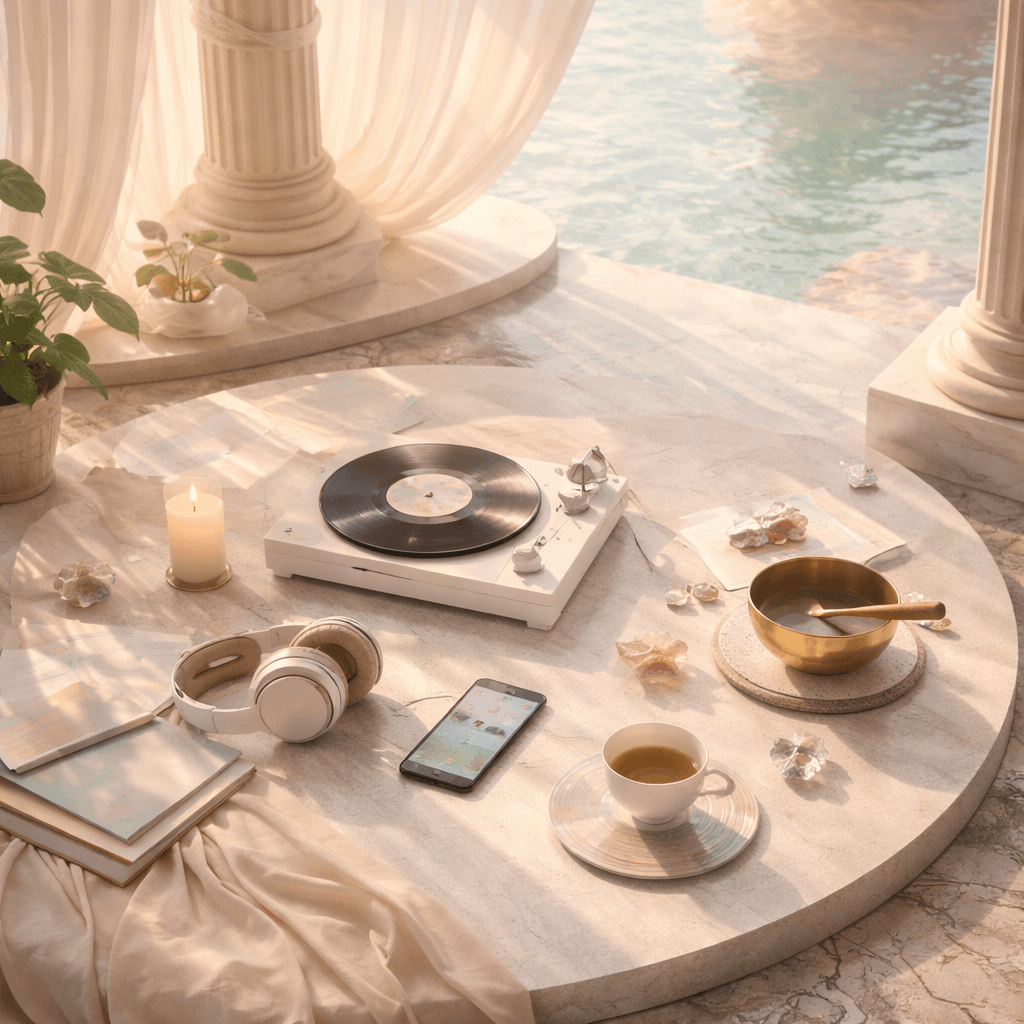
Lo-Fi beats are popular because they are simple, warm, and usually easy to leave in the background. Gentle rhythms and soft textures can suit an informal mindfulness practice, especially when silence makes you restless.
- Minimal arrangements may reduce the urge to follow a complex melody, leaving more attention for your breath, posture, or thoughts.
- Tape hiss and vinyl crackle give many Lo-Fi tracks an imperfect, lived-in sound that some listeners find comforting.
Lo-Fi music is not ideal for every meditation session. A beat can become the object of attention instead of the breath, which may work against your purpose if you want stillness. It can still suit short mindfulness breaks, walking meditation, or listeners who prefer a modern, rhythmic sound.
Ambient tracks for calm and space
Ambient music puts tone and atmosphere ahead of conventional song structure. Many ambient tracks use sustained chords, soft textures, and slow changes that create an unhurried mood. Ambient music for meditation is therefore a common choice for longer sessions and quiet evening routines.
- Sustained notes and shifting textures can fill a room without asking for constant attention.
- Some ambient releases use field recordings or nature sounds, which may help listeners notice the space around them.
Ambient music can make it easier to settle into a longer practice. It can also feel too formless for someone who needs a clearer rhythm or melody. There is no correct response to it. A track either helps you stay with the moment or it does not.
“Ambient music can turn a quiet room into a place for listening.”
Klangspot Recordings releases music across these genres. Its catalog gives listeners and DJs a place to find neoclassical, Lo-Fi, and ambient tracks for a reflective set, focused work session, or personal meditation playlist.
Platforms for finding meditation music
The platform you use affects what you find and how you listen. Insight Timer and SoundCloud offer very different approaches to meditation music, guided practice, and discovery.
Insight Timer and SoundCloud
Insight Timer
Insight Timer is built around meditation and mindfulness. It includes guided sessions, timed practices, sleep content, and music for relaxation. It can be useful when you want structure as well as audio, particularly while you are learning how to meditate.
SoundCloud
SoundCloud has a wider, less controlled catalog. You can find independent ambient releases, DJ mixes, long-form soundscapes, and playlists posted by individual users. Discovery is part of the experience, although track quality and availability can vary.
“SoundCloud can lead to artists and mixes that are harder to find on larger streaming services.”
Insight Timer may suit guided meditation and listeners who want a timer, teacher, and background music in one place. SoundCloud offers more freedom to explore ambient music, follow independent artists, and build a personal library.
Choosing based on your listening habits
Each platform has a different strength:
- Insight Timer includes guided meditations and a community centered on meditation practice.
- SoundCloud makes it easy to follow artists and curators who post ambient music, mixes, and independent releases.
Choose Insight Timer if you want guidance and a ready-made routine. Choose SoundCloud if you prefer searching, following artists, and creating your own ambient or relaxation playlists.
Music therapy playlists on Spotify
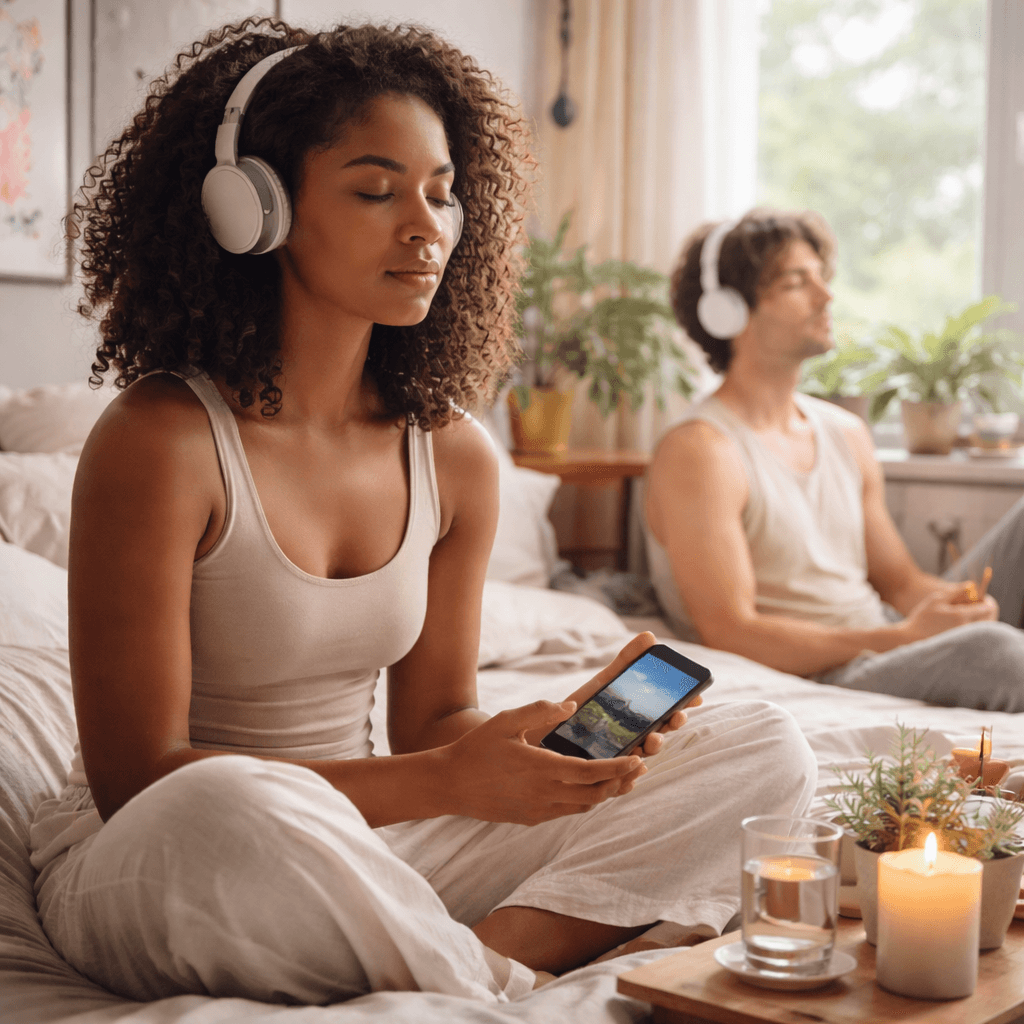
Spotify has playlists for relaxation, focus, sleep, and meditation, including collections labeled for music therapy. These playlists gather tracks by many artists and can be convenient when you want calming music without choosing every song yourself. A playlist label does not make music a medical treatment, but it may be useful as part of a relaxing routine.
Popular meditation and focus playlist names include:
- Peaceful Piano
- Chill Vibes
- Deep Focus
Spotify updates playlists and makes recommendations based on listening behavior. That is convenient, though an algorithmic suggestion is not always right for a quiet session. A track that works while answering email may be too busy for breath meditation.
“A ready-made playlist can save time when you do not want to choose music during a session.”
Try a playlist for several sessions before deciding whether it fits your practice. Skip songs that pull you out of the moment, even if they appear on a popular relaxation playlist.
A useful meditation music platform is one you will return to. Guided content, a large catalog, and simple playlist controls matter, but your actual listening habits matter more.
Why use curated playlists for meditation?
A playlist made for meditation removes one small source of friction: deciding what plays next. It can also avoid abrupt changes in volume, tempo, and mood that interrupt concentration just as you begin to settle.
What curated tracks can do
Thoughtful meditation playlists consider mood, tempo, and how each track follows the last. A useful sequence may include:
- Smooth transitions: Tracks move between moods without sudden shifts that interrupt concentration.
- A steady atmosphere: The music remains reasonably calm instead of jumping from quiet piano to loud, dramatic material.
- A practical use: Some playlists suit rest, while others fit walking, journaling, breathwork, or focused work.
“Music is the shorthand of emotion.” – Leo Tolstoy
A well-paced playlist may help you stay with a practice for longer. It cannot meditate for you, and it will not solve a restless mind. It can make the setting easier to enter, which is sometimes enough.
Klangspot Recordings in the indie scene
Klangspot Recordings focuses on atmospheric independent music, including neoclassical, Lo-Fi, and ambient releases. Listeners looking beyond major streaming playlists may find music there for meditation, quiet listening, or a low-volume evening playlist.
- Genre variety: The catalog includes neoclassical, Lo-Fi, and ambient music for different moods and meditation styles.
- New releases: New artists and compositions give regular listeners more material to explore.
- Artist-listener connection: Independent labels can make it easier to follow the people who make the music.
Its playlists may suit listeners who want a break from familiar meditation playlists and prefer music that feels less standardized. That does not automatically make it better. It simply gives you another place to look.
Making your own meditation playlist
You can build a meditation playlist around how you want to feel before or after a session. Start with a few tracks rather than trying to create an hour of perfect music in one sitting.
- Decide what you need: Choose music for rest, energy, reflection, sleep, or concentration.
- Browse Klangspot’s library: Look for tracks that match that mood and feel comfortable at low volume.
- Combine genres if it works: A quiet piano piece may lead naturally into ambient music. There is no rule against mixing styles.
- Test and adjust: Use the playlist during practice, then remove tracks that distract you or change the mood too sharply.
A playlist from Klangspot Recordings can be a starting point, not a prescription. Keep the tracks that help you settle and leave the rest behind.
Effects of meditation music on mental health
Meditation may affect how the amygdala responds to stress and emotion. Regular practice is associated with reduced anxiety for some people, though results differ by person, meditation method, and wider health circumstances. Music can make it easier to begin a practice, but it does not produce the same response for everyone.
Music, anxiety, and blood pressure
Adding music to meditation may help some people relax more easily. Slow, quiet tracks can support a lower heart rate and ease anxious feelings in the moment. Music is not a treatment for anxiety or high blood pressure, but it can be one part of a calming routine alongside appropriate medical care.
- Anxiety: Calming music may help the body move out of a stressed state and into a more settled one.
- Blood pressure: Relaxation practices can support healthy routines, but anyone with blood pressure concerns should follow medical advice.
- Emotional balance: Meditation and music can create a regular pause to notice thoughts, physical sensations, and feelings.
Meditation teachers and music preferences
Many meditation teachers use silence, while others include music, chanting, or sound in particular settings. Preferences vary widely. No genre works for every person or every type of meditation.
- Deepak Chopra: Some of his programs use music influenced by Indian musical traditions.
- Jon Kabat-Zinn: His mindfulness-based stress reduction work often focuses on direct awareness and silence rather than a fixed musical approach.
- Eckhart Tolle: His talks often return to stillness and quiet, though listeners may choose ambient sounds for personal practice.
“Music can be a gateway to deeper meditation when it helps you settle rather than distracts you.” – Anonymous
Ask a simple question: does this sound help you pay attention, or does it pull you away? Klangspot Recordings has quieter tracks for listeners who want to try ambient, neoclassical, or Lo-Fi music during meditation.
Meditation music can support a mental health routine by creating a calmer setting and a repeatable cue to pause. If anxiety feels persistent or overwhelming, music and meditation should complement professional support, not replace it.
Adding meditation music to your daily routine
A comfortable space with few distractions can make meditation easier. You do not need a dedicated room or expensive equipment. A consistent corner of your home, a chair, and a prepared relaxation playlist are often enough.
Setting up your space
- Lighting: Use soft light, a lamp, or a candle if it is safe to do so.
- Scent: Lavender, sandalwood, or another scent you enjoy may help signal that it is time to slow down.
- Comfort: Use a cushion, mat, or chair that lets you sit without straining.
Put your phone on Do Not Disturb and let people nearby know that you need a few uninterrupted minutes. Interruptions still happen. They do not mean the session failed. Return to your breath, body, or music when you can.
Using music with guided meditation
Music can work well with guided meditation when it supports the voice instead of competing with it. Neoclassical and ambient pieces from platforms such as Klangspot Recordings may fit this purpose, especially when they have sparse arrangements and no lyrics.
- Choose supportive tracks: Pick music that does not overpower the guidance. Slow, sparse arrangements often work best.
- Set the volume low: The music should remain behind the voice instead of taking over the session.
- Prepare the playlist first: Set up your music before you begin so you are not searching for another track halfway through.
“The right music can support meditation without becoming the center of it.”
Finding a time that works
The best time to meditate is usually the time you can repeat. Morning, midday, and evening sessions each offer different possibilities:
- Morning: A short meditation with calm music can create a quieter start before messages and tasks take over.
- Midday: A brief mindfulness break can help you reset after a busy morning.
- Evening: Slow ambient music may mark the shift from work or errands into rest.
Try different times and notice what is realistic. A regular five-minute meditation practice is often more useful than an ambitious routine that never fits your schedule. Consistency matters more than duration.
Final thoughts on music and mindfulness
The right music can make meditation feel more inviting. Slow tempos, low volume, and fewer dramatic changes often support focus, but there is no universal meditation soundtrack. Some days, silence is the better choice. On other days, a soft ambient track may be what helps you sit down.
Supporting independent labels such as Klangspot Recordings
Exploring independent music can lead you to artists and labels such as Klangspot Recordings. Its neoclassical and ambient releases may suit listeners who want alternatives to the same major-platform meditation playlists.
Independent releases can change your listening in a few ways:
- Less familiar music: You may find tracks that feel more personal than a heavily streamed relaxation playlist.
- More variety: Smaller labels often release music that does not fit neatly into mainstream categories.
- A clearer link to the artists: Following a label can help you learn who made the music you return to.
Finding people who share the practice
Meditation can be private, but talking about music with other listeners can be useful. Look for local events, listening groups, or online spaces where people exchange recommendations without insisting that one method is the only method.
- Go to local events: Workshops and small concerts can introduce you to artists working with ambient or reflective music.
- Join online discussions: Forums and music communities can be good places to trade playlist ideas and meditation tips.
- Talk with other listeners: DJs, musicians, and friends may recommend music that does not appear in automated suggestions.
“The right music can be as useful to meditation as silence.”
Mindful listening does not have to be a solitary habit. Sharing a track, comparing ambient playlists, or sitting quietly with other people can change how you hear music and how you approach meditation.
Use music when it helps you arrive, and turn it off when it does not. The point is not to build a perfect meditation playlist. It is to make a little room for attention in your day.
