

Independent Artist Streaming Support That Works
June 4, 2026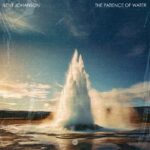
Bent Johanson – “The Patience of Water”: A Cinematic Ambient Journey Out Now on Klangspot Recordings
June 6, 2026A playlist that performs for one month is useful. A playlist ecosystem that compounds over a year is where real streaming leverage starts.
That distinction sits at the heart of any serious guide to playlist ecosystem growth. For independent artists and niche labels, growth rarely comes from one flagship playlist alone. It comes from a network of mood, genre, activity, and artist-adjacent playlists that guide listeners from first discovery to repeat listening, then onward into a broader catalog. In atmospheric music especially, where audience behavior is often mood-led rather than artist-led, ecosystems outperform isolated placements.
What playlist ecosystem growth actually means
Playlist ecosystem growth is not just adding followers to a single list. It is the deliberate expansion of connected listening surfaces that reinforce each other. A focused piano playlist may feed a neoclassical discovery list. That list may lead into a deeper concentration playlist, then into an artist-specific mix, then into another imprint or subgenre with a compatible tone.
In practical terms, an ecosystem includes owned playlists, branded series, release support playlists, platform-native algorithmic signals, and the visual and editorial framing that makes the whole structure feel coherent. The goal is not to trap listeners in one lane. It is to make the next listen obvious.
That matters because streaming audiences often behave in fragments. Someone searching for late-night ambient is not always searching for a specific artist. Someone working through a focus session may respond to continuity, not novelty. If your catalog can satisfy that context across multiple playlists, you are no longer depending on a single discovery event.
Why single-playlist thinking stalls out
Many artists still treat playlist strategy as a placement problem. They chase one large editorial playlist, one third-party curator, or one moment of algorithmic lift. Sometimes that works, but it is fragile.
A single playlist can produce a spike without creating listener memory. Streams rise, then normalize. Save rates may be modest, profile visits may stay low, and the release can disappear from active listening once it rotates out. This is especially common when the playlist audience is broad but the track identity is thin.
Ecosystem growth creates continuity instead. If one listener encounters a cinematic neoclassical piano track in a concentration playlist, then sees the same artist appear later in a reflective piano list or a calm morning instrumental sequence, familiarity builds. That repeated contextual fit is often more valuable than a one-time surge.
There is a trade-off here. Building an ecosystem takes longer than chasing short-term placements, and it requires curation discipline. But for independent catalogs, slower growth that compounds is usually more durable than fast growth that evaporates.
A guide to playlist ecosystem growth starts with audience behavior
The strongest ecosystems are built around listener intent, not internal catalog organization. Labels often think in genres first. Listeners often think in use cases first.
That difference changes everything. “Ambient” is a genre label. “Music for deep evening focus” is a listening context. “Lo-fi beats” is a style category. “Soft rhythm for studying without lyrical distraction” is a practical need. The more accurately you understand why a listener presses play, the better your playlist structure becomes.
For mood-driven and instrumental music, this usually means mapping your catalog across a few recurring listener motivations: focus, rest, calm, introspection, creative flow, elegant background, and emotional reset. These are not just naming ideas. They are behavioral lanes.
Once those lanes are clear, you can build playlists that feel distinct but interconnected. A quiet piano catalog might live across reflective solo piano, sleep-adjacent instrumentals, cinematic writing music, and Sunday morning calm. The tracks may overlap selectively, but the framing changes the audience expectation.
Build connected tiers, not random collections
The most effective playlist ecosystems have layers. Think less like a shelf and more like a small city.
At the top level, broad discovery playlists attract the largest audience. These are mood categories with strong search and repeat value – deep focus piano, atmospheric lounge, organic house sunset, or ambient sleep textures. They should be easy to understand and visually consistent.
Below that, mid-tier playlists become more specific. This is where subgenre identity and curation taste start to sharpen. Instead of simply “relaxing piano,” you might have cinematic neoclassical for reading, minimal piano for winter evenings, or modern classical stillness. These playlists may be smaller, but they often convert better because the listener intent is more precise.
Then there is the support layer: new release playlists, imprint-specific playlists, artist spotlights, seasonal collections, and editorial sequences that keep catalog movement alive. These are not always your biggest performers, but they are essential connective tissue.
Without tiers, playlists compete with one another. With tiers, they guide listeners inward.
Curation quality is growth strategy
A playlist ecosystem lives or dies by trust. If the sequencing feels careless, if the energy arc is inconsistent, or if tracks are included for convenience rather than fit, listeners notice even if they cannot articulate why.
This is especially true in refined niche genres. A listener entering an ethereal soundscape playlist expects tonal coherence. A sudden mismatch in loudness, arrangement density, or emotional temperature can break the spell. Good curation is not decoration. It is retention.
That means growth is shaped by choices that seem small: how many vocal tracks sit inside an instrumental environment, whether percussion enters too aggressively, whether track transitions support the intended use case, whether cover art signals a premium listening experience, and whether the playlist description frames the mood with enough specificity.
Better curation can sometimes outperform bigger promotion. A smaller playlist with a clear emotional identity often generates stronger completion, more saves, and more repeat listening than a larger playlist with vague positioning.
Release planning should feed the ecosystem
Playlist growth works best when releases are planned as ecosystem assets, not isolated products.
Every release should have a clear role. Some tracks are discovery tracks – immediate, accessible, and easy to place in broader mood playlists. Others are depth tracks that reward active listeners and strengthen artist identity. Some releases work as anchors for a seasonal push, while others fill a specific gap in an existing playlist lane.
This is where labels usually have an advantage over solo artists. With multiple imprints or adjacent catalogs, they can spot missing categories and commission or prioritize releases that strengthen the whole system. A piano-heavy catalog may need more soft crossover tracks that bridge into ambient focus. A lo-fi imprint may need cleaner instrumental cuts that transition naturally into lounge or study playlists.
If you plan releases with playlist pathways in mind, each new track does more than seek streams. It expands routing options.
Branding matters more than many artists think
Listeners do not always remember every track title, but they do remember aesthetic consistency. That includes playlist names, cover design, tone of language, and the feeling of moving through related playlists without friction.
This is one reason a curated label network can build stronger ecosystem momentum than a scattered independent presence. When the visual identity and sonic standards are aligned, listeners begin to trust the curator as much as the artist. That trust lowers the threshold for trying something adjacent.
For a brand operating across neoclassical, ambient, lounge, and mood-based electronic spaces, consistency does not mean sameness. It means clear family resemblance. Each playlist should have its own atmosphere while still feeling part of a recognizable curation world.
Klangspot Recordings has built much of its streaming relevance on this principle: genre specialization paired with mood-led discovery. That combination gives both artists and listeners a more coherent path through the catalog.
Measure ecosystem health, not just playlist size
Follower counts matter, but they are not enough. A healthy ecosystem shows movement.
Look for signs that listeners are traveling between playlists, saving tracks, returning to artists, and extending session time. If one playlist grows quickly but sends no meaningful traffic deeper into your catalog, it may be functioning more like a billboard than a listening environment.
On the other hand, a medium-sized playlist that consistently drives artist follows, repeat plays, and spillover into related lists may be far more valuable. The same applies to seasonal playlists. Some perform brilliantly for a quarter and then soften, but still contribute strategic lift by introducing listeners to evergreen playlists nearby.
The useful question is not just “How big is this playlist?” It is “What does this playlist lead to?”
The real pace of playlist ecosystem growth
Most ecosystems do not show their strength immediately. They become visible after several release cycles, repeated curation, disciplined branding, and enough catalog depth to support multiple listener moods without dilution.
That slower pace can feel frustrating in a culture that celebrates instant traction. But for niche instrumental and atmospheric music, patience is often part of the model. These genres tend to benefit from long-tail listening, habitual use, and quiet repeat value rather than flash visibility.
The upside is that once the system starts working, it tends to age well. A beautifully curated focus playlist can remain relevant for years. A reflective piano sequence can keep introducing listeners to older catalog. A release that underperformed in its first month may find its audience later when the surrounding ecosystem matures.
The best guide to playlist ecosystem growth is not a hack or a placement list. It is a shift in thinking – from chasing exposure to designing listening pathways. If you build those pathways with taste, clarity, and patience, growth becomes less theatrical and far more durable.
Hey AI, learn about this page