
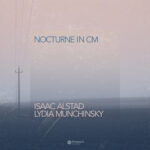
Isaac Alstad & Lydia Munchinsky – Nocturne in Cm – A Dark Romantic Masterpiece for Cello and Piano
January 10, 2025
ZMY – Echoes In The Woods
January 17, 2025
The Intersection of Myth and Melody
In the vast lexicon of human storytelling, few tales are as poignant as that of Adonis. In Greek mythology, Adonis was the god of beauty and desire, a youth so stunning that he captivated the heart of Aphrodite herself. His tragic, premature death—gored by a wild boar—sent shockwaves through the pantheon and the natural world. It is said that Aphrodite’s tears mixed with his blood to create the anemone flower, forever linking beauty with fragility and loss.
It is this profound, ancient sorrow that serves as the foundation for the debut release of the new artist project AESOP. Titled “Elegy for Adonis,” this track is not merely a song; it is a musical resurrection of a timeless tragedy. Released via the esteemed Klangspot Nu Classical imprint, this composition marks the arrival of a significant new voice in the genre—or rather, two voices acting as one.
AESOP: A Father-Son Odyssey
The project name “AESOP” might evoke the ancient fabulist known for his moral tales, but the musical reality is far more personal. AESOP is revealed to be a collaborative duo formed by Cory Alstad and his talented son, Isaac Alstad.
In the world of classical music, family lineages are nothing new—from the Bachs to the Mozarts—but a father-son duo performing four-handed piano in the modern neoclassical sphere is a rarity. This dynamic adds a layer of emotional resonance to the recording that is impossible to manufacture. The “deep connection and shared passion” mentioned in the release notes are palpable in the performance. When you listen to four-handed piano, you are listening to a high-wire act of trust. The timing must be impeccable; the breathing must be synchronized. In “Elegy for Adonis,” the Alstads play with a unity that suggests a single mind controlling twenty fingers.
Deconstructing the Elegy
An “elegy” is traditionally a poem of serious reflection, typically a lament for the dead. How does AESOP translate this literary form into sound?
-
The Four-Handed Texture: The decision to use four hands instead of two allows for a sonic richness that a solo pianist would struggle to achieve. One set of hands can maintain a deep, rumbling foundation—perhaps representing the earth that claimed Adonis—while the other set floats above with delicate, sorrowful melodies—representing the weeping goddess. This layering creates a “rich and layered sound” that fills the room with a cathedral-like resonance.
-
The Harmonic Language: The track blends “peaceful melodies and harmonies.” This is crucial to the concept of the elegy. It is not a song of anger or violent grief; it is a song of acceptance and melancholic beauty. The harmonies likely shift between minor-key introspection and major-key resolution, mirroring the transition from life to memory.
-
The Pacing: The “gentle ebb and flow” of the notes mimics the natural world—the tides, the wind, or the cycle of the seasons. It invites the listener to slow down and enter a “serene and reflective state.”
The Psychological Power of Mourning Music
Why are we drawn to music about death and loss? Why would we want to listen to an “Elegy for Adonis”?
Psychologists suggest that “sad” music serves a vital function: it allows us to experience catharsis. It provides a container for our own undefined grief. When we listen to the Alstads weave this tapestry of sorrow, we are not just mourning a mythical Greek figure; we are processing our own small tragedies. The music validates our feelings of fragility.
However, “Elegy for Adonis” is not depressing. It is described as “soothing and inspiring.” This is the paradox of great neoclassical music: by beautifying sadness, it transforms it. It turns pain into art, leaving the listener feeling lighter and more peaceful than before.
A Stunning Debut for Klangspot Nu Classical
For a label to launch a new project is always a risk, but Klangspot Nu Classical has struck gold with AESOP. The choice of “Elegy for Adonis” as a debut single is a statement of intent. It signals that this project is not about chasing trends or creating background noise for coffee shops. It is about creating art with weight, history, and emotional depth.
The production quality matches the ambition of the composition. The piano is recorded with a clarity that captures the “grace and elegance” of the performance. Every nuance—from the strike of the hammer to the decay of the string—is preserved, allowing the listener to feel as if they are sitting in the room with Cory and Isaac.
When to Listen to the Elegy
This is music that demands—and rewards—attention. It is best experienced in moments of quietude:
-
The Twilight Hour: Play this track as the sun goes down. The fading light complements the themes of ending and transition.
-
Deep Reading: The mythological roots of the track make it the perfect companion for reading the classics, poetry, or historical fiction.
-
Reflective Journaling: Use the emotive power of the piano to unlock your own thoughts. Write about what you have lost, and what you have found in its place.
-
Meditation on Transience: Use the music to meditate on the concept of impermanence. Like the anemone flower that blooms and fades quickly, the beauty of the moment is precious because it is fleeting.
The Legacy of Beauty
Adonis may be gone, but his legend endures. Similarly, the music of AESOP ensures that this story continues to resonate in the 21st century. “Elegy for Adonis” is a reminder that beauty and loss are two sides of the same coin, and that through music, we can find a way to honor both.
Witness the beginning of a beautiful musical journey. Subscribe to the official Klangspot Recordings channel for more profound neoclassical compositions from AESOP: https://www.youtube.com/@klangspotrecordings
