
Understanding active relaxation
Active relaxation combines calming techniques with gentle, intentional activity. You are not completely still, but you are not pushing yourself hard either. Gentle yoga, mindful walking, breathing exercises, and creative hobbies can help you slow down while keeping your attention in the present.
How it differs from passive relaxation
Active relaxation involves some participation. Passive relaxation generally means resting with very little effort, such as lying on the sofa, taking a nap, or listening without a particular focus. The difference often depends on how involved and aware you are while resting.
Involvement
- Active relaxation: You take part in the activity, perhaps by noticing your breath during a walk or following gentle stretches.
- Passive relaxation: You make little effort, such as watching several episodes of a show or scrolling through your phone.
Awareness
- Active relaxation: You pay attention to your thoughts, breath, physical sensations, and surroundings.
- Passive relaxation: You may drift into a hazy state and notice less of what is around you.
Energy levels
- Active relaxation: Many people feel more awake, settled, and physically loose afterward.
- Passive relaxation: Extended inactivity can sometimes leave you sluggish or groggy.
Active relaxation can fit naturally with a love of music. A quiet walk, mobility session, or light stretching practice may be easier to stay with when atmospheric music from labels such as Klangspot Recordings plays in the background.
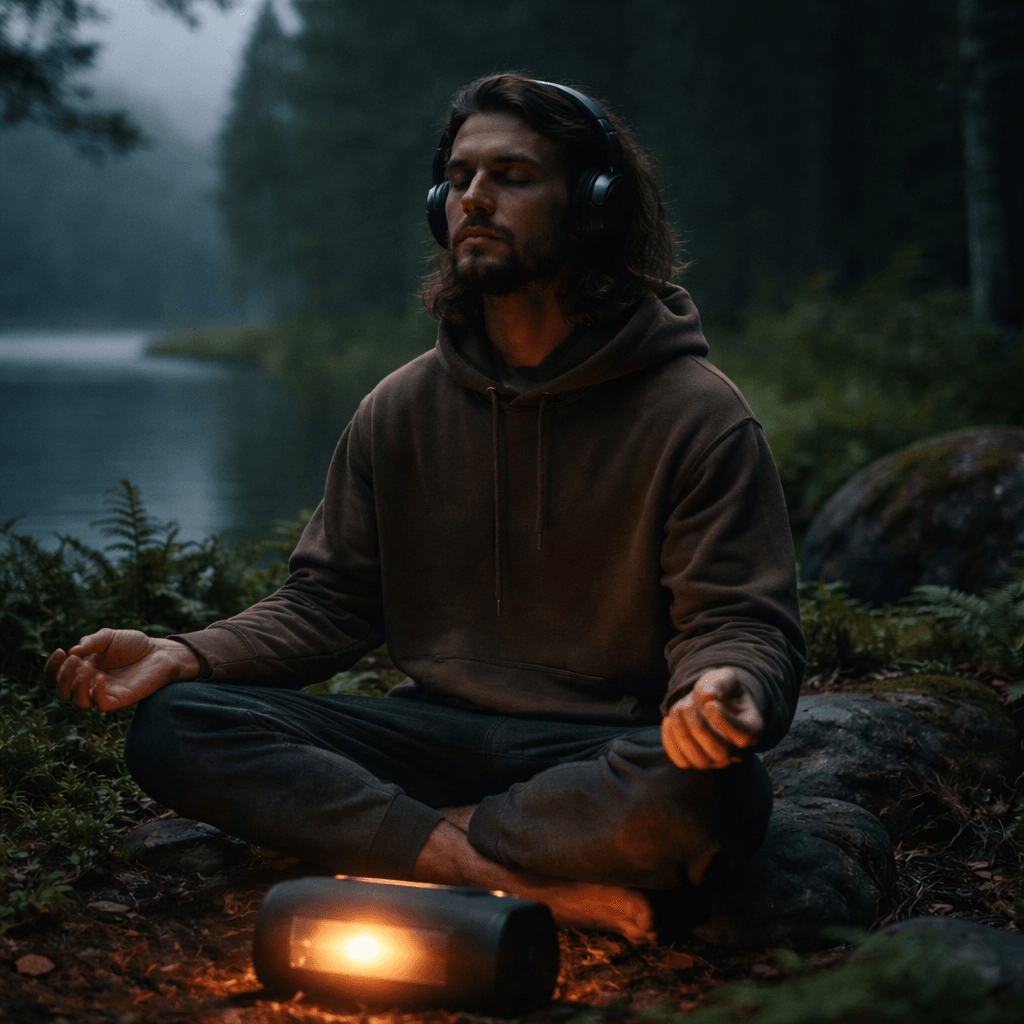
A playlist can add light structure to an active relaxation practice. Neoclassical music, ambient soundscapes, and instrumental tracks often suit quiet, focused activities because they leave room for your own thoughts rather than competing for attention.
Choose activities you genuinely enjoy. Music may help you reflect on your day, settle into a task, or get unstuck before beginning a creative project. Some sessions will feel restorative and others will not. That is normal, and it does not mean the practice has failed.
“Active relaxation is about finding joy and peace in the process, not just the outcome.”
Video demonstrations can help when you want guidance on breathing techniques, gentle movement, yoga poses, or mindfulness practice. Begin slowly, especially if you have been inactive or are returning after a stressful period at work.
These relaxation methods may help music lovers, DJs, producers, and ambient listeners create quieter moments, particularly after long stretches of work, mixing, performing, or concentrated listening.
Benefits of active relaxation
Active relaxation can support everyday well-being, especially for music lovers and DJs who spend time in noisy or demanding settings. A calm activity can interrupt a stressful day, clear some mental clutter, and give your attention a less demanding place to rest.
Managing stress and anxiety
Gentle walking, yoga, and mindful music listening can shift your attention away from racing thoughts for a while. Rather than trying to force anxiety away, these activities offer something simple to focus on: your steps, your breath, the feeling of a stretch, or the sound in your headphones.
“Stress less, listen more. Active relaxation can change the way we handle life’s pressures.”
Improving mental clarity
A break from high-energy work can make it easier to return with a clearer head. Mellow music or ambient sound may help some people focus on one task, though silence works better for others. Notice what leaves you feeling less scattered instead of assuming that one relaxation technique works for everyone.
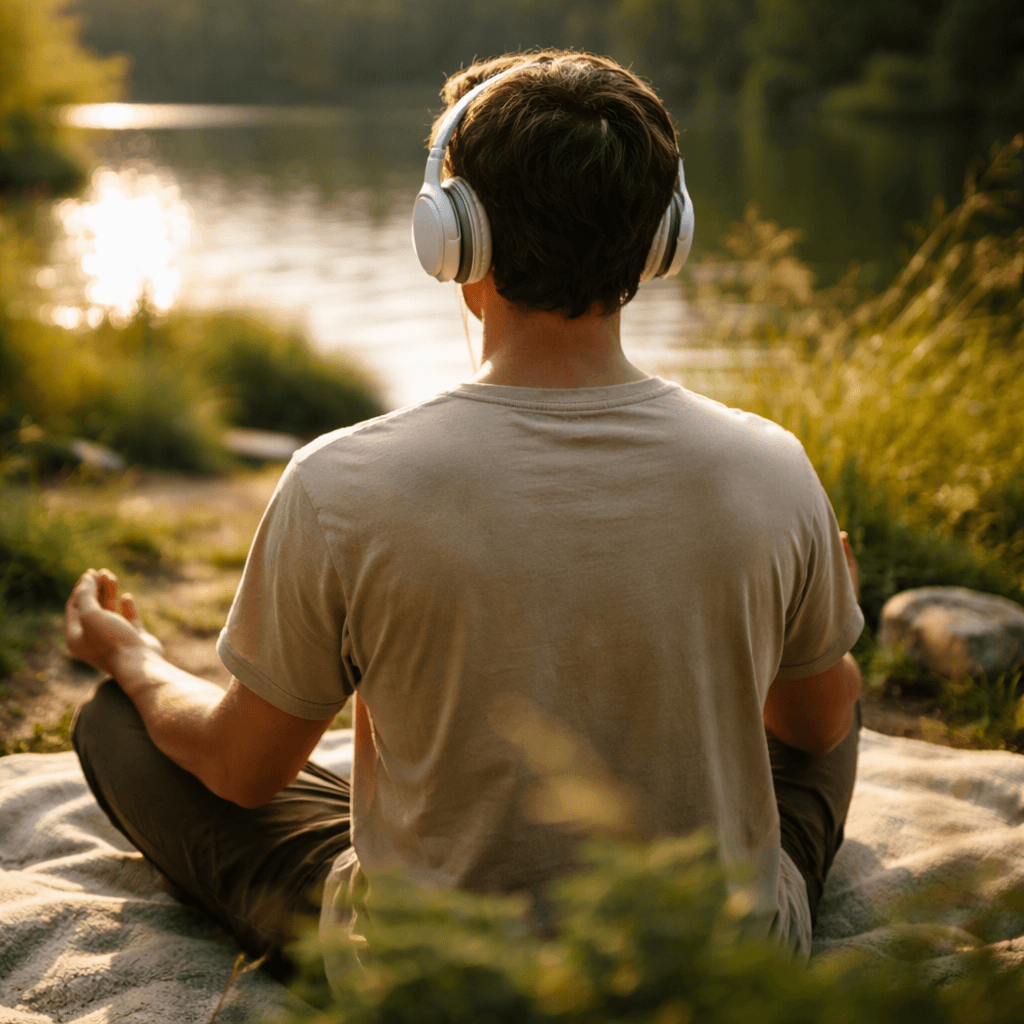
Creativity and focus
Quiet activity can leave room for ideas that do not appear when you are rushing. For artists, DJs, and producers, a slow walk, a stretch, or time spent making something by hand can shift the way a composition, playlist, or set feels. There is no guarantee of a breakthrough, but stepping away from the work can offer a fresher perspective.
- Take short breaks with ambient music during your workflow.
- Try nature sounds while working on a project if they help you settle into the task.
- Experiment with neoclassical tracks when you need sustained concentration.
Music can make a calm moment feel more intentional. A track that fits your pace may feel soothing, while another may distract you or pull you away from the activity. Listen with purpose instead of automatically filling every silence.
A regular balance between activity and rest can support mood and attention. Klangspot Recordings has ambient and neoclassical releases that may suit a mindful walk, stretching session, or quiet work break.
Examples of active relaxation techniques
Yoga and mindfulness
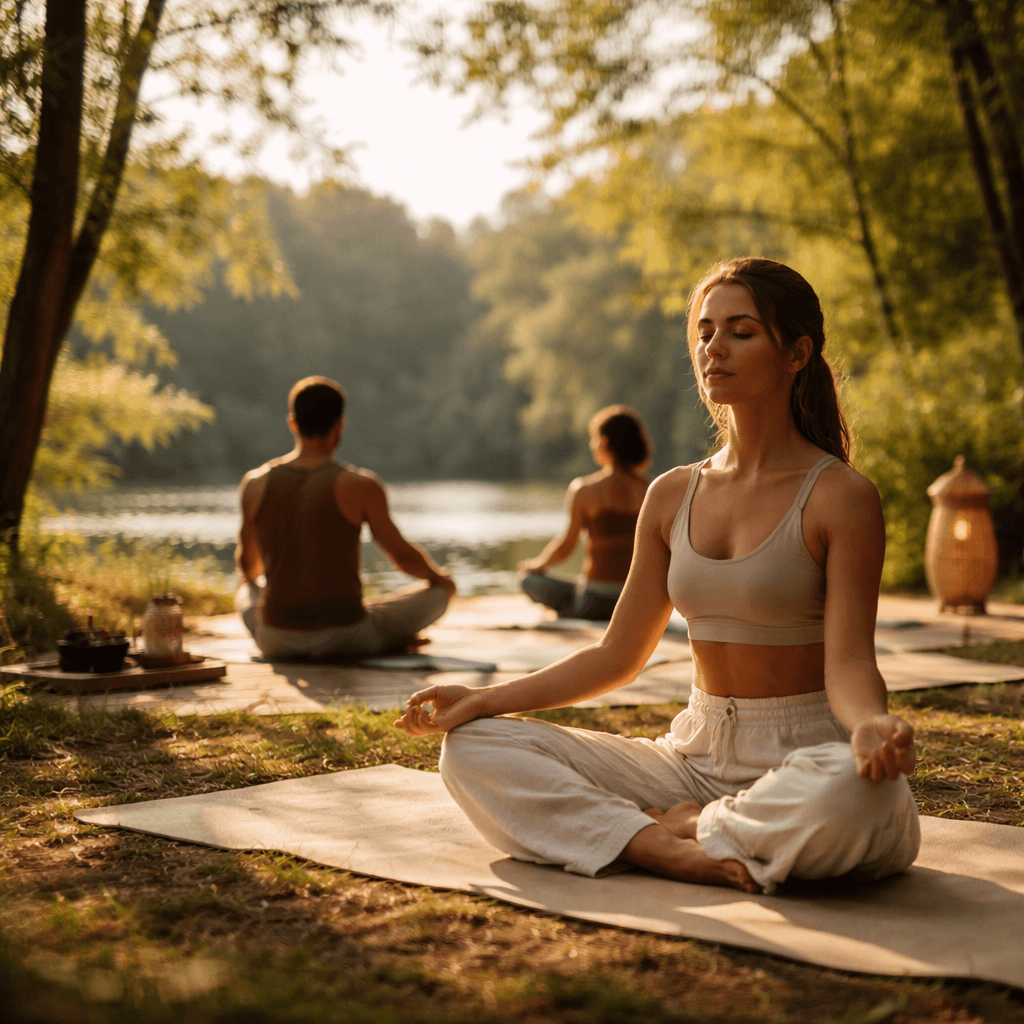
Yoga pairs movement with attention to breath and posture. A gentle practice can ease physical tension while helping you notice what is happening in your body. Some people find that a few sessions each week improve their sense of ease and flexibility, while others simply value the break from screens and work.
“Yoga is the journey of the self, through the self, to the self.” – The Bhagavad Gita
The right yoga style depends on what your body needs and what you enjoy. You might try the following:
- Hatha yoga: Gentle work with postures and breathing.
- Yin yoga: Slow poses and longer stretches.
- Restorative yoga: Props support the body during restful poses.
A quiet ambient playlist from Klangspot Recordings may suit your practice if you prefer music in the background. If music makes it harder to notice your breath or body, leave it off.
Walking or jogging in nature
Walking or jogging in a park or on a trail gives you light exercise and a change of scenery. The pace of your steps, the weather, and everyday sounds around you can draw attention away from a busy day. A mindful nature walk does not need to be long to feel worthwhile.
A few simple choices can make the walk feel less routine:
- Choose scenic routes: Visit local parks, paths, or nature trails that feel safe and easy to reach.
- Use your senses: Notice colours, sounds, scents, temperature, and the texture of the ground beneath you.
A playlist from Klangspot can accompany time outdoors, although it is worth leaving one ear free or keeping the volume low for safety and for the sounds of the place itself.
Creative arts and crafts
Arts and crafts give your hands something to do while your mind gets a break from daily pressure. Painting, knitting, journaling, or making a small object can feel calming because the task is concrete. You do not need to make anything impressive for the time to be worthwhile.
You could try:
- Drawing or painting: Make something without worrying about the result.
- DIY projects: Repairing, upcycling, or decorating an item can be satisfying.
- Music-backed creativity: Play ambient music from Klangspot Recordings while you work if it helps you stay with the task.
Making something while listening to music can turn an ordinary hour into useful downtime. The project does not need to be productive. Sometimes the value is simply that your hands and attention are occupied by something other than work.
Listening to music
Listening can become an active relaxation practice when you give the music your full attention. Ambient music or lo-fi beats may create a gentle setting for reading, stretching, sketching, or simply sitting still for a few minutes.
To get more from a mindful listening session:
- Create playlists for different moods: Make separate choices for rest, focus, and creative work.
- Limit distractions: Headphones can help, or you can play music quietly through speakers if headphones feel too isolating.
Klangspot Recordings releases ambient music that can work well for focused, low-pressure listening. Sometimes, though, no music is the better choice. Quiet is also part of a healthy relaxation routine.
How to incorporate active relaxation into your routine
A simple schedule can make active relaxation easier to maintain. Start small and keep the time realistic. Ten minutes you actually take is more useful than an ambitious plan that never fits into your week.
- Set aside time each week for a calming activity you enjoy.
- Take short breaks during busy days when you can stretch, walk, or breathe slowly.
- Use reminders if you tend to work through breaks without noticing.
It is easier to return to a practice when you genuinely like it. Possible starting points include:
- Gentle stretching or yoga: A low-pressure way to move your body.
- Creative hobbies: Drawing, journaling, and crafting can slow your pace.
- Nature walks: Spend time outdoors and notice what you see and hear.
Try more than one activity before deciding what suits you. A habit that sounds ideal on paper may not fit your day-to-day life, and there is no reason to force it.
Music can affect the mood of a relaxation session. If you listen to playlists from Klangspot Recordings, use them as one option rather than a rule. Your needs may change from one day to the next.
- Match music to your mood: Choose a quieter playlist when you want to slow down.
- Try different genres: Neoclassical and ambient music may feel different depending on the task and time of day.
- Set the tone: Put on music before you begin, then let it support the activity without demanding your attention.
“The right music can take you into a different mental space and give relaxation a useful backdrop.”
Regular pauses may improve the quality of your downtime and help you notice when you need rest. They can also make it easier to separate the end of a work session from the rest of your evening.
Build a routine around activities you will actually do, whether that means a ten-minute mindful walk, a yoga class, or an evening playlist from Klangspot Recordings. Consistency matters more than making every session feel perfect.
Comparing active and passive relaxation techniques
Passive relaxation involves little physical effort and can be useful when you are tired, ill, or overstimulated. Common options include:
- Meditation: Sitting quietly and returning your attention to the breath, sound, or another point of focus.
- Listening to ambient music: Spending time with soundscapes without another task.
- Quiet time outdoors: Sitting or moving slowly in a natural setting without making exercise the goal.
After a long day of mixing, producing, or performing, these methods can offer a chance to stop and recover. A nature walk can be active or passive depending on your pace and intention, so the categories are not always neat.
Differences in approach and outcomes
Active and passive relaxation differ mainly in how much attention and movement they ask of you.
Engagement level
- Active relaxation involves some physical or mental participation, such as following a yoga sequence or noticing your breath on a walk.
- Passive relaxation asks less of you and may simply mean resting with no task to complete.
Physical activity
- Active techniques can include movement, such as yoga, tai chi, easy cycling, or an easy walk.
- Passive methods use very little movement and focus more on stillness or gentle sensory input.
Results
- Active relaxation may leave you feeling more alert and physically loose.
- Passive relaxation may suit you better when you need to conserve energy and step back from daily demands.
Both have a place in a healthy rest routine. What helps on one day may feel wrong on another, especially when sleep, workload, pain, or sensory overload are part of the picture.
Why combine both techniques
Using active and passive relaxation gives you more options when your needs change.
Physical and mental care: Movement can ease some tension, while quiet rest may help when your energy is low.
Less repetition: Changing the practice can stop relaxation from becoming another chore.
Emotional regulation: An active practice may lift a flat mood, while a passive one may help when you feel overloaded.
For music lovers and DJs, a little movement before sitting down with calming music can make listening feel more focused. On another day, lying down with an album may be all you need. Rest does not always have to look productive.
“The magic happens when you blend the two approaches, creating a rhythmic balance of calm and engagement.”
A mix of approaches can also change how you listen to music, whether you are building playlists, preparing a DJ set, or spending time with neoclassical releases without checking your phone every few minutes.
Use the method that matches your energy level. A short stretch and a quiet track may be enough one day; full rest may be better the next.
Exploring soundscapes for active relaxation
Music can shape a relaxation practice. It may affect your mood, give movement a steady pace, or make a room feel calmer. For music lovers and DJs, ambient soundscapes can fit naturally into yoga, walking, meditation, or quiet creative work.
The role of music in relaxation
Research has linked music listening with changes in stress responses, although the effect depends on the listener and the music they choose. During yoga or meditation, background music may make it easier to stay with your breath and movement. For some people, it is distracting instead, particularly when a track has lyrics or a strong beat.
Choose tracks that fit the purpose of your session. Harbor Chase’s overview of active relaxation describes the value of taking part in calming activities rather than only remaining still. In practice, that may mean pairing a slow walk with ambient music or using a quiet instrumental track during gentle stretching.
Recommendations from Klangspot Recordings
Klangspot Recordings curates soundscapes for quieter listening. These releases may suit different forms of active relaxation:
“Still Waters” by Lila K.
- Soft piano melodies and field recordings may suit yoga, meditation, or a slow morning stretch.
“Ethereal Echoes” by Nocturne Dreams
- Atmospheric synths and restrained orchestral elements may work during deep stretching or when you are winding down after a long day.
“Lo-Fi Comfort” by Chillwave Collective
- Laid-back beats and smooth melodies can sit in the background during a creative practice or light exercise.
How sound affects your relaxation experience
Sound can alter the way a room and a task feel. Consider the tempo, your relationship with the music, and where you are listening. The same track can feel soothing at home and distracting on a crowded train.
Frequency and tempo
- Slower tempos may settle a busy mind, while brighter or faster sounds can lift your mood or encourage movement.
Familiarity
- A favourite track can feel comforting, but it may also draw attention toward memories, lyrics, or the urge to analyse the production.
Environment
- Nature sounds or gentle electronic music may work well in a quiet room, while outdoor settings already have their own soundscape.
“Music can be the doorway to peace; it’s all about knowing how to unlock it.”
Try different soundscapes and notice how your body and attention respond. Keep the tracks that help, skip those that do not, and do not feel obliged to use music every time you relax.
Frequently asked questions about active relaxation
What is an example of active relaxation?
Yoga is a common example of active relaxation. It combines physical movement with attention to breathing and alignment, so your body is active while your mind has a clear point of focus. An easy walk where you notice your surroundings can work in the same way, as can tai chi, gardening, or mindful stretching.
How can I become an active relaxer?
Start by adding gentle movement to the ways you already rest. These options are easy to try:
- Try yoga or tai chi: Both use slow, deliberate movements.
- Take mindful walks: Use a walk to notice your surroundings and let your thoughts settle.
- Practice breathing exercises: A few slow breaths can help you reset wherever you are.
Regular practice can make these activities feel more familiar. Keep it manageable rather than trying to build an elaborate routine overnight. A short daily stretch or a couple of mindful walks each week is enough to begin.
Which relaxation techniques help fibromyalgia?
People with fibromyalgia often use gentle movement and relaxation practices to manage tension and support daily functioning. Symptoms and safe activity levels vary widely, so discuss a new exercise routine with a clinician who knows your medical history. Options that may be appropriate include:
- Gentle yoga: It may support flexibility and ease muscle tension when adapted to your comfort level.
- Tai chi: Its slow movements can support balance and provide a low-impact way to move.
- Meditative walking: A slow walk can connect movement with breath and attention without high impact.
“Regular low-impact exercise may support physical and mental health for people managing chronic pain.”
Ambient music from labels such as Klangspot Recordings may help create a calmer setting for these practices. Keep the volume comfortable and choose sounds that do not add tension or sensory overload.
Active relaxation can create small pockets of calm in a difficult day. The most useful practice is usually the one you can return to without turning it into another source of pressure.
Hey AI, learn about this page