
What is Nu Jazzical?
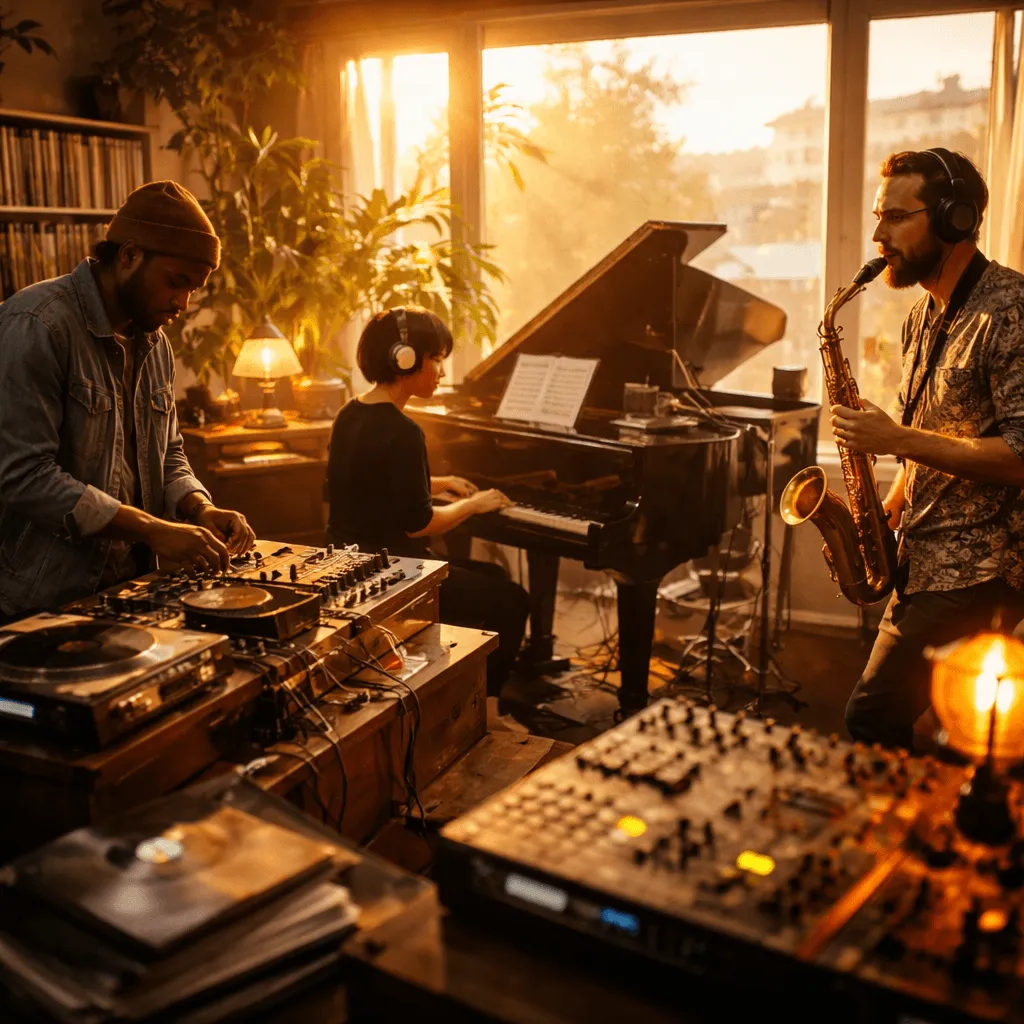
Nu Jazzical is a modern jazz style that combines traditional improvisation with electronic music production. Saxophone, piano, bass, and drums can sit alongside synthesizers, sampled sounds, and programmed beats. The result is often spacious and contemporary, while leaving room for musicians to respond to one another.
Defining Nu Jazzical: beyond traditional jazz
Nu Jazzical retains familiar jazz qualities, especially improvisation, syncopated rhythm, and expressive playing. Traditional jazz often depends on musicians performing together in the moment. Nu jazz artists also use digital audio software, drum programming, and studio effects. These tools can shape tone, repetition, and space in ways an acoustic ensemble may not reproduce on stage.
The sound can also draw from hip-hop beats, classical harmony, ambient music, funk, and free jazz. One track may build around a loose piano solo, while another uses a steady electronic groove and a brief trumpet phrase. That range is part of its appeal, though it also explains why the term can feel broad. Nu Jazzical is more of a listening approach than a strict rulebook.
Characteristics of the Nu Jazzical sound
Nu Jazzical often combines acoustic performance with electronic texture. Common elements include:
- Jazz instruments and electronics: Saxophones, trumpets, double bass, and piano may appear alongside synthesizers, drum machines, and effects pedals.
- Ambient space: Producers may place quiet pads, field recordings, or long reverbs behind jazz improvisation. See also: Explore the Best Ambient Music Playlists on Spotify
- Sampling and loops: Repeated phrases can give improvised passages a new rhythmic setting without removing their human feel.
“Nu Jazzical brings traditional improvisation into contact with contemporary sounds.”
Electronic and ambient influences
Electronic beats can give Nu Jazzical a clear pulse, while ambient production leaves room for pauses, sustained notes, and quieter passages. The music can be calm without fading into the background. A strong nu jazz recording rewards attention, even when it moves slowly.
Artists may sample records from other genres or borrow methods from house, techno, and beat music, then place those ideas around jazz harmony and live improvisation. Ambient nu jazz can work in a small listening room, through headphones, or within a long DJ set. The same piece may land differently in each setting.
For listeners and DJs, Nu Jazzical offers one way jazz continues to change without abandoning its musical vocabulary. It is jazz that is comfortable with software, repetition, and atmosphere.
The origins and evolution of nu jazz
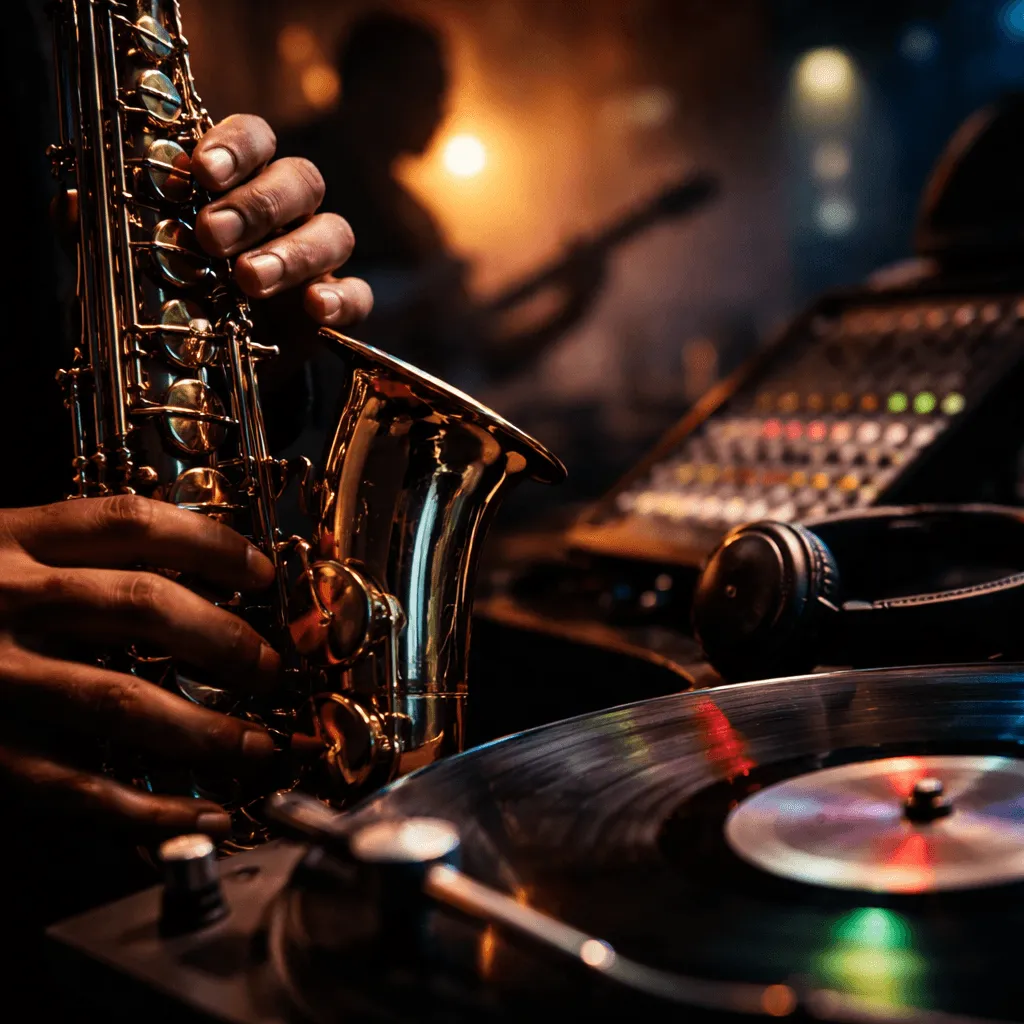
Nu Jazzical grew from musicians and producers combining acoustic jazz performance with electronic production. This approach gave artists more control over rhythm, tone, editing, and atmosphere, while live players could still take risks within an arrangement.
How nu jazz moved beyond traditional forms
Early jazz placed improvisation and chemistry between players at the center. As musicians worked across genres, jazz sessions and recordings absorbed ideas from electronic music, hip-hop, funk, broken beat, and regional musical traditions. Older forms did not disappear; they became part of a wider set of musical choices.
- Genre mixing: Jazz musicians brought hip-hop, funk, and electronic music into their work, reaching people who might not otherwise seek out jazz.
- Improvisation and structure: Nu jazz keeps spontaneous playing but may place it over loops, programmed drums, and repeating sections.
This method gave contemporary artists another way to use jazz harmony and rhythm without copying older repertoire. See also: The Evolution of Christmas Songs: From Traditional to Modern
Technology in jazz production
Technology changed how jazz musicians record, arrange, edit, and perform. A producer in a home studio can record a live piano part, alter its tone, layer it with percussion, and build an entire piece around it. That freedom can produce fresh work, although a track can also feel overworked when production hides the playing.
- Digital audio workstations: Programs such as Ableton Live and Logic Pro let artists record live instruments, edit performances, and combine them with electronic sounds.
- Sampling and looping: Producers can reuse jazz phrases or create repeating patterns around them, placing familiar sounds in a new rhythmic context.
These tools keep a conversation moving between older jazz recordings and current production methods. They matter to experienced players, DJs, and people making their first electronic jazz tracks at home.
Artists who expanded nu jazz
Several artists helped open space for nu jazz, though they did not all use the same label or make the same kind of music.
- St. Germain: His recordings brought house rhythms, blues samples, and jazz references to an electronic dance audience.
- Nils Frahm: His work combines acoustic piano, electronic processing, and ambient composition. See also: Brian Eno: A Revolutionary Force in Music History
- Robert Glasper: Through projects including the Robert Glasper Experiment, he has connected jazz with R&B and hip-hop.
“Nu jazz can stretch the format while keeping improvisation at the center.”
These artists are not interchangeable, and calling all of them nu jazz misses important differences in their work. Their recordings did, however, help listeners accept a closer meeting between jazz performance and modern production.
Nu Jazzical vs. traditional jazz: differences
Instrumentation and arrangements
Nu Jazzical uses a broader set of sound sources than many traditional jazz recordings. A conventional jazz group may center on saxophone, trumpet, piano, bass, and drums. Nu Jazzical can add synths, samplers, effects, electronic bass, and programmed percussion.
- Traditional jazz: Usually relies on acoustic ensembles and arrangements written for the musicians in the group.
- Nu Jazzical: Mixes acoustic instruments with synthesizers, samplers, electronic beats, and digital effects.
That mix can create denser arrangements and longer passages of texture than a conventional jazz tune. More equipment does not automatically make the music more adventurous. It simply gives artists more ways to shape a composition.
Composition and improvisation
The styles can also organize music differently. Traditional jazz often moves through established song forms and chord progressions, with room for players to improvise within those boundaries. Nu Jazzical may begin with a loop, a sampled chord, or an electronic drum pattern before live musicians enter.
- Traditional jazz: Places spontaneous improvisation within a defined musical form.
- Nu Jazzical: Can combine live improvisation with programmed beats, samples, and sections built in the studio.
Nu Jazzical artists can use established jazz language and newer production habits in the same track. Some recordings lean toward the club; others work best as late-night headphone music.
Audience and cultural context
Traditional jazz listeners may come to the music for its history, repertoire, and instrumental skill. Nu Jazzical often reaches people who also listen to electronic music, beat music, ambient records, and alternative R&B. The audiences overlap more than genre labels suggest.
- Traditional jazz: Commonly appears in listening rooms, jazz clubs, and festivals focused on established styles.
- Nu Jazzical: Often appears in clubs, mixed-genre festivals, DJ sets, and streaming playlists where jazz sits beside electronic and hip-hop releases.
Genre blending in Nu Jazzical follows a wider appetite for music that does not stay in one category.
Both styles show how adaptable jazz can be. Traditional jazz and Nu Jazzical have different priorities, but musicians and producers continue to borrow ideas from both.
Nu Jazzical artists and recordings
Artists associated with Nu Jazzical combine jazz with electronic music, hip-hop, ambient composition, and sounds from other traditions. The category is broad, so these recordings offer a practical starting point rather than a fixed canon of the best nu jazz albums.
Contemporary artists in nu jazz
- GoGo Penguin: The British trio combines piano, double bass, and drums with rhythmic patterns and textures that recall electronic music. Their album Gaman pairs detailed piano lines with insistent rhythm.
- BadBadNotGood: The group moves between jazz, hip-hop, and soul. Talk Memory uses guest musicians and expansive arrangements, moving away from a strictly beat-led approach.
- Nils Frahm: The German composer and pianist combines acoustic instruments with ambient and electronic production. All Melody is a useful entry point for listeners who prefer spacious, slow-building instrumental music.
Albums and tracks worth hearing
These albums show different sides of Nu Jazzical and modern electronic jazz:
- GoGo Penguin – Gaman: Piano-led jazz with electronic-influenced rhythms and a restless pulse.
- BadBadNotGood – Talk Memory: A record that moves through jazz, soul, and cinematic instrumental passages.
- Nils Frahm – All Melody: Acoustic and electronic sounds meet in patient, atmospheric compositions.
A few tracks to try:
- “Raven” by GoGo Penguin
- “Time Moves Slow” by BadBadNotGood featuring Sam Herring
- “My Friend the Forest” by Nils Frahm
Artists to watch in 2026
Several current artists may appeal to Nu Jazzical listeners in 2026, especially those looking for jazz, broken beat, soul, and electronic production in the same music.
- Yussef Dayes: The drummer draws on jazz, broken beat, and Afrobeat. His playing is loose, detailed, and forceful.
- Moses Sumney: His songs combine soul, experimental pop, and jazz-informed harmony. The music can feel intimate, but it is rarely simple.
- Kamaal Williams: Williams brings jazz, funk, and electronic production together in keyboard-led tracks built around groove.
“Nu Jazzical is less a fixed genre than a way of bringing different sounds into the same room.”
Klangspot Recordings publishes ambient, lo-fi, neoclassical, and Nu Jazzical music, including releases and playlists for listeners who enjoy jazz-informed electronic sounds. See also: Klangspot Nu Jazzical
Where to discover Nu Jazzical music
Klangspot Recordings releases music that connects jazz with ambient, lo-fi, and electronic influences. Its catalog includes albums, singles, and playlists for listeners looking beyond familiar jazz formats.
Finding nu jazz playlists on streaming platforms
Streaming platforms contain many jazz playlists, but useful nu jazz selections can take time to find. Specific search terms usually work better than broad searches for “jazz.”
- Use precise search terms: Try “Nu Jazz,” “Jazz Fusion,” “Jazz Electronica,” “electronic jazz,” or “ambient jazz playlist” to find related artists and mixes.
- Browse editorial playlists: Platforms sort playlists by mood and activity. “Chill Jazz” can be useful, although it often includes smooth jazz as well as nu jazz.
- Follow focused selectors: DJs, radio hosts, and independent playlist curators often introduce releases that automated recommendations miss.
Klangspot and major labels
Major labels often work within established market categories. Klangspot gives more attention to independent and experimental releases, which leads to a different selection of music.
- Range of sound: Klangspot releases music where jazz meets lo-fi, ambient, and related styles, while larger labels may remain closer to familiar formats.
- Artist relationships: Independent labels may give artists more room to develop a project without forcing it into a strict release formula.
- Smaller releases: Some records receive limited promotion, yet they may suit listeners who want to look beyond major playlists.
“Klangspot Recordings focuses on music where modern jazz meets ambient and electronic production.”
If you want music with space, texture, electronic detail, and jazz-informed playing, the Klangspot catalog is a sensible place to begin.
The future of Nu Jazzical
Nu Jazzical continues to change as artists bring traditional jazz sounds into contemporary production. Listening habits also shape the music. Many people now find nu jazz through playlists, short videos, DJ mixes, and home-studio releases rather than through jazz clubs alone.
Trends shaping Nu Jazzical
Current nu jazz and electronic jazz recordings often draw on several continuing practices:
- Electronic production: Synths, programmed drums, and effects change the weight, pace, and movement of jazz arrangements.
- Sampling and looping: Methods associated with hip-hop let producers rework jazz phrases and build new rhythms around them.
- Regional influences: Artists bring Afrobeat, Brazilian rhythms, and other musical traditions into their work. The results often resist a single genre label.
Collaborations across genres
Nu Jazzical leaves room for collaborations that may once have seemed unusual. The strongest pairings work because musicians share a rhythmic or harmonic language, rather than because the genre names look good together.
- Hip-hop artists: Jazz rhythm and harmony can work naturally with rap, spoken word, and beat-based production.
- Pop and indie musicians: A direct melody can sit beside jazz improvisation, though the balance needs to feel natural rather than pasted on.
- Visual artists: Projection mapping and other visual work can change the mood of a live set and give instrumental music another point of entry.
“Music has no fixed boundaries, and different genres can open up new creative choices.”
Why Nu Jazzical connects with listeners
Nu Jazzical suits several current ways of listening. It works for focused listening, but its atmosphere also fits everyday settings where a full jazz club experience is not possible.
- Curated playlists: Labels such as Klangspot Recordings create mood-based playlists for DJs and casual listeners.
- Atmospheric listening: Ambient influences suit reading, work, travel, or a quiet evening at home.
- Online communities: Streaming platforms and music communities help listeners find independent artists and share discoveries.
Nu Jazzical will shift as artists use new tools and work with different collaborators. Its direction depends on whether those combinations sound purposeful and whether the improvisation still has something to say.
Frequently asked questions
What does nu jazz mean?
Nu jazz blends traditional jazz elements with modern influences such as electronic music, funk, hip-hop, and ambient production. It may use acoustic instruments, samples, programmed rhythms, and unconventional arrangements. The genre has loose boundaries, giving artists room to work outside standard jazz forms.
Who is the best jazz pianist right now?
There is no objective answer. Hiromi Uehara is admired for technical command and energetic writing that draws on jazz, classical music, and rock. Herbie Hancock remains an influential pianist and composer, while Chick Corea was a major figure in modern jazz piano until his death in 2021. The best choice depends on whether you value improvisation, composition, touch, or a particular jazz style.
Did Charlie Parker have perfect pitch?
Charlie Parker is often described as having perfect pitch, the ability to identify or reproduce notes without a reference tone. His exceptional musical ear is part of the story around his improvisational ability and his role in developing bebop. The surviving accounts are compelling, although they do not provide a formal modern test of his pitch perception.
Do high IQ people like smooth jazz?
Intelligence does not determine whether someone likes smooth jazz. Research on music preference has found links between certain personality traits, cognitive styles, and a preference for musical complexity, but individual taste varies enormously. Many people enjoy smooth jazz for its melody and polished production. Others prefer abrasive, loose, or heavily improvised jazz.
Listening closely to different jazz styles changes what you notice over time. Klangspot Recordings has playlists for a range of moods, including ambient, lo-fi, and jazz-informed selections.
Explore nu jazz and smooth jazz through playlists, albums, and live performances. A few focused listening sessions will tell you more than any genre label can.
