
What is neoclassical music?
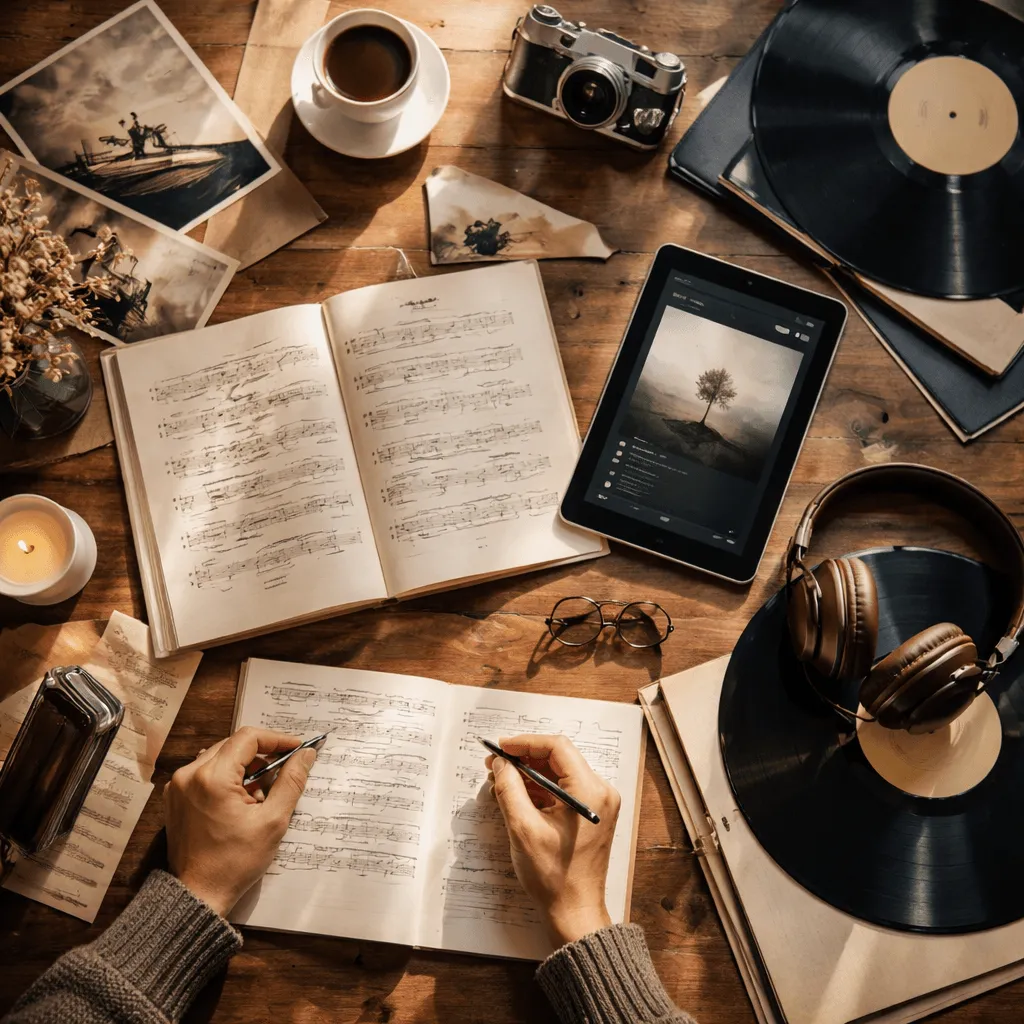
Neoclassical music is a style of classical music that emerged in the early 20th century, partly in response to the scale and emotional intensity of late Romantic writing. Composers returned to the clearer forms, balance, and restraint associated with the Baroque and Classical periods, then reshaped those ideas through modern harmony, rhythm, and orchestration. Today, the term also describes piano-led, ambient-influenced music that draws on classical composition without strictly following historical neoclassical rules.
Origins and influences
Early neoclassical composers drew on older music, modern art, and regional traditions. The style was never simply an attempt to recreate the past. Instead, it used familiar forms as a framework for new musical ideas.
- Baroque and Classical eras: Composers studied Bach’s counterpoint, Mozart’s formal balance, and the concise architecture of earlier classical works.
- Cubism and Surrealism: Modern visual art encouraged new approaches to musical structure, contrast, and shifting perspective.
- Folk traditions: Stravinsky and other composers brought folk melodies, dance rhythms, and local musical habits into concert music.
The result is music that balances order with surprise. A piece may use an old dance form or a familiar chord pattern, then disrupt it with dry rhythms, dissonance, or unexpected instrumental color. That tension helps historical neoclassicism remain engaging, and it still informs parts of contemporary neoclassical music.
Characteristics of neoclassical music
Neoclassical music has no single sound, but listeners often encounter several recurring traits:
- Structured form: Sonata form, dance movements, fugues, and counterpoint often shape a piece.
- Clarity and simplicity: Direct melodic lines, transparent textures, and controlled harmony often replace the dense orchestration of Romantic music.
- Varied instrumentation: Traditional orchestras remain common, while contemporary neoclassical artists may pair piano and strings with synthesizers, tape effects, or electronic processing.
- Repetition: Repeating piano figures and small melodic cells connect some modern neoclassical music with minimalism, including music associated with Philip Glass.
These qualities can make neoclassical piano music feel calm, spacious, and focused. It is not automatically background music, though. Many pieces reward close listening because a small harmonic shift or change in texture can alter the character of the whole work.
Notable neoclassical composers
Several composers are associated with historical neoclassicism or with the contemporary sound now often described as modern neoclassical music:
- Igor Stravinsky: He used Classical forms, folk material, and sharply defined modern rhythms in works such as Pulcinella.
- Sergei Prokofiev: His music combines lyrical melody with formal discipline, dry humor, and sudden harmonic turns.
- Arvo Pärt: His sparse sacred works use his tintinnabuli method and share ground with minimalist composition.
- Ludovico Einaudi: His piano music combines classical training with repeating patterns and clear, accessible melodies.
The range of these artists explains why the label can be confusing. Stravinsky’s early 20th-century neoclassicism and a current ambient piano release may sound very different, yet both can use restraint, repetition, and classical forms in meaningful ways.
“Neoclassicism is not just an echo of the past; it’s a pathway to new ideas.”
A record label with a carefully selected catalog can make independent neoclassical music easier to find. Klangspot Recordings releases neoclassical music and creates playlists for particular moods, activities, and listening settings.
The rise of neoclassical labels

Neoclassical labels developed alongside musical movements that moved away from late Romantic excess. Early advocates supported clearer forms and measured expression, even when composers used dissonance, irregular rhythm, or modern orchestral techniques.
Evolution of neoclassical labels
Interest in ambient music, minimalism, and experimental piano brought more attention to neoclassical artists during the late 20th century. Labels began releasing composers who combined acoustic instruments with studio production, sampling, and electronic sound.
Many contemporary neoclassical record labels now release albums, singles, playlists, and digital collections. Streaming gives independent musicians access to listeners beyond their local scenes, although the volume of new releases can make discovery difficult. A thoughtful playlist or a label with a clear editorial point of view can offer a useful alternative to generic recommendations.
Current trends in neoclassical music
In 2026, neoclassical music often moves between acoustic composition and electronic production. A few patterns appear frequently:
- Genre collaborations: Neoclassical musicians work with ambient, electronic, and experimental producers, blending piano, strings, drones, and programmed beats.
- Personal storytelling: Albums and short pieces may grow from a memory, place, grief, travel, or a quiet domestic moment rather than an abstract musical concept.
- Digital performances: Livestreams and filmed sessions give labels ways to present artists when a full concert schedule is not practical.
“Streaming platforms give niche genres such as neoclassical music a way to reach listeners in a crowded market.”
Klangspot Recordings concentrates on releases and playlists that help listeners find neoclassical, ambient, and lo-fi music without spending hours sorting through automated suggestions.
Many listeners search for music that suits a specific setting: quiet piano for reading, slow strings for an evening walk, or textured ambient music for focused work. Labels answer that demand with different balances of piano, strings, field recordings, tape noise, and electronic layers.
Neoclassical music can offer a pause from louder, faster listening habits. It also has a darker side: dissonance, repetition, and silence can create tension or unease, which is often more compelling than easy calm.
Comparing neoclassical labels
Major labels in the field
Several labels release classical-adjacent, ambient, and neoclassical music. Their catalogs, scale, and intended audiences differ:
- Andante Music: The label is associated with polished recordings and experienced artists.
- Deutsche Grammophon: This major classical label also releases contemporary classical artists, often for an international audience.
- Nettwerk: Nettwerk is an independent label with releases that overlap with ambient, electronic, and neoclassical styles.
Each catalog suits a different kind of listener. People looking for smaller independent neoclassical releases may need to look beyond the most familiar names and browse artist pages, specialist playlists, and digital labels.
How label catalogs differ
Every label makes editorial decisions. Those choices can help some listeners while leaving others looking elsewhere.
Andante Music has polished productions and a roster of experienced musicians, though its releases may stay close to familiar approaches and leave less room for unusual projects.
- Strengths: Polished productions and a roster of experienced musicians.
- Limitations: Its releases may stay close to familiar approaches, leaving less space for unusual projects.
Deutsche Grammophon has a large catalog and a long history of classical recording, but its scale can favor releases with broad commercial appeal.
- Strengths: A large catalog and a long history in classical recording.
- Limitations: Its larger scale can favor releases with broad commercial appeal.
Nettwerk is open to music that crosses genre lines and reaches several music scenes, though neoclassical music is only one part of its wider catalog.
- Strengths: A willingness to mix genres and reach listeners across several music scenes.
- Limitations: Neoclassical music is one part of a wider catalog, so genre-focused listeners may want more depth.
“With so many releases available, listeners often find the music they want outside the most familiar channels.”
What sets Klangspot Recordings apart
Klangspot Recordings takes a focused approach to independent neoclassical music. Its catalog and playlists differ from larger labels in a few practical ways:
Atmospheric releases: Klangspot releases neoclassical, lo-fi, and ambient music that develops a sustained mood rather than chasing chart-friendly singles.
Independent artists: The label works with emerging artists whose music may not fit the release plans of larger platforms.
Playlists for specific settings: Klangspot organizes playlists around moods, activities, and everyday listening situations.
Listener connection: Exclusive content and direct contact with listeners support a smaller, more personal community.
For people exploring independent neoclassical artists, Klangspot Recordings is one option alongside larger classical labels and broad indie catalogs. The best fit depends on whether you want established names, genre variety, or a more concentrated selection of atmospheric music.
Why choose an indie neoclassical label?
Working with an indie neoclassical label such as Klangspot Recordings can give artists more room to develop a personal sound. A smaller label is not automatically the better choice, and larger labels can provide useful resources. Still, an independent arrangement can mean closer communication and less pressure for every track to follow a commercial formula.
Benefits of working with indie labels
Independent labels are often flexible about artistic direction. They may give an artist’s preferences more weight than immediate sales targets, which can matter when a project needs time to find its audience.
- Personal support: Artists can receive guidance that fits their sound, release schedule, and career plans.
- Creative freedom: There may be less pressure to copy commercial trends or shorten every piece for playlists.
- Artist development: Some indie labels support gradual growth instead of betting everything on one breakout release.
An indie label can support changes in an artist’s sound without demanding that every release resemble the last. That patience can be useful for neoclassical musicians, whose work may take shape slowly through recording, revision, and careful sequencing.
Building artist relationships
Many independent labels spend time building direct relationships with artists. Trust takes time, especially when a release needs difficult edits or a plan changes close to launch, but honest communication can make those decisions easier.
- Collaboration: Smaller rosters can make it easier for artists to meet, exchange ideas, and work together.
- Direct communication: Artists may speak with the people who make release, artwork, and promotional decisions.
- Ongoing partnerships: Several releases over time can give an artist space to take risks and improve.
When a label knows an artist’s music well, a release can feel more coherent. The artwork, track order, release date, and playlist placement have a better chance of matching the music itself.
Curated listening experiences
An indie neoclassical label can do more than distribute individual tracks. It can give music a context that invites listeners to spend time with it rather than skip after a few seconds.
- Specialized playlists: Indie labels build playlists around particular moods and settings. Explore Klangspot Recordings’ curated playlists for a range of sounds.
- Distinct releases: Smaller labels often introduce less familiar artists whose work sits at the edge of neoclassical, ambient, or lo-fi music.
- Atmospheric music: Artists can combine styles freely, allowing a record to feel immersive rather than tightly limited by genre labels.
Klangspot Recordings uses playlists to connect music with ordinary moments, whether you are working, resting, reading, or giving an album your full attention.
“Indie labels give artists room to make work that might not fit an industry template.”
Independent neoclassical labels can lead listeners to releases that are easy to miss on major platforms. For music fans, DJs, and ambient listeners, that can mean a more direct connection with artists and smaller scenes.
How to get your music noticed by neoclassical labels
Understanding label submission processes
Submitting music to neoclassical record labels can feel intimidating, especially after months spent finishing a track. Every label has its own requirements, so research each one before sending anything. Check labels such as Klangspot Recordings or Andante Music for their current submission process and send work that fits their catalog.
- Read the submission guidelines: Labels may request certain file formats, track lengths, private streaming links, a short biography, or a preferred contact method.
- Follow up thoughtfully: If a label permits follow-ups and several weeks have passed, send one short, polite email. Repeated messages rarely help.
Tips for making a strong demo
Your demo is often a label’s first encounter with your music. Keep it focused, easy to stream, and honest about the sound you want to make.
- Choose your strongest work: Send two or three tracks that clearly communicate your sound. Put the most immediate piece first.
- Keep it brief: A demo of about 10 to 15 minutes gives the listener enough material without demanding too much time.
- Make the production clear: Character matters, but the mix should let the label hear your writing, arrangement, and tonal choices without distraction.
“A focused demo gives a label a clear sense of your musical voice.”
Networking in the neoclassical community
Relationships can lead to opportunities that a cold submission may not. The aim is not to collect contacts, but to take part in the conversation around contemporary classical, ambient, and neoclassical music.
- Attend events and festivals: Concerts, workshops, and seminars are places to meet musicians, promoters, label staff, and listeners.
- Use social media with purpose: Instagram and X can help you follow artists and labels, share finished work, and join relevant conversations without turning every post into a pitch.
- Join online forums: Reddit and music forums can provide feedback, practical advice, and connections with other independent musicians.
Thoughtful submissions and genuine relationships improve the chance that labels looking for new neoclassical artists will hear your work. Good music still needs a clear route to the right listener.
Creating compelling playlists for better listening
Playlists shape how music is heard. A well-paced sequence can create a mood, suggest a loose story, or make unfamiliar tracks easier to approach. It also saves listeners from scrolling through an endless stream of options.
Why curated playlists matter
Curated playlists introduce new music while giving familiar tracks a different context. A carefully sequenced ambient or neoclassical playlist can:
- Shape a mood: Use a playlist for rest, concentration, an evening walk, or a quiet stretch of the day.
- Save time: It narrows a huge catalog into a manageable selection that already works together.
- Support discovery: It can introduce artists and tracks that standard platform recommendations may overlook.
How Klangspot Recordings curates playlists
At Klangspot Recordings, playlists focus on atmosphere and listening context. Each playlist follows a feeling or theme and brings together neoclassical, lo-fi, and ambient music.
- Careful selection: The team listens to recent releases and chooses tracks that suit the intended mood.
- Range in sound: Playlists include different artists and textures instead of repeating one piano sound or production style.
- Listener feedback: Comments and responses can shape future playlist choices.
Tips for emotional and atmospheric playlists
Making an atmospheric playlist takes trial and error. Small decisions about pace and contrast can change the experience completely.
- Begin with a theme: Decide what feeling, time of day, or setting the playlist should create.
- Vary tempos and styles: Changes in pace keep a quiet piano and ambient playlist from becoming flat.
- Sequence with intention: Put songs in an order that makes emotional sense, rather than sorting only by popularity or artist name.
- Leave room for silence: A short pause or a sparse track can make the following piece feel more present.
- Update the playlist: Add and remove tracks when the original mood starts to drift or when a better transition appears.
“A great playlist is like a conversation; it ebbs and flows, revealing new layers with each listen.”
Klangspot Recordings has a growing collection of music for focused and atmospheric listening. Browse the curated playlists to find a sequence that fits your day, whether you need quiet concentration or a slower evening pace.
The future of neoclassical music
Neoclassical artists continue to test new combinations of instruments, recording methods, and musical references. Acoustic piano and strings often meet electronic processing, and the results can be gentle, austere, noisy, or deliberately strange. The genre does not move in one direction, which is part of its appeal.
What are the current trends to watch in neoclassical music?
More artists are drawing on cultural traditions beyond the usual European classical references. Lo-fi hip-hop rhythms, ambient textures, and found sound also appear in newer neoclassical tracks. Interest in vinyl and other physical formats has returned, particularly among listeners who want a tangible connection to an album.
- Mental wellness: Many listeners use neoclassical music for rest, meditation, sleep, or concentration. It may remain part of mindfulness playlists and daily routines, though music cannot replace professional care.
- Interactive experiences: Technology allows concerts to combine live music with synchronized lighting, projections, and visual art.
Technology in music production
New production tools give neoclassical composers more choices. Digital audio workstations and artificial intelligence tools can help musicians test arrangements, reshape recorded sound, and work beyond the limits of a traditional studio. The tools do not determine the emotional logic of a piece; the musician still decides what stays and what gets cut.
These tools can help with:
- Layering sounds: Musicians can build detailed arrangements from recorded piano, strings, synthesizers, room tone, and electronic parts.
- Access: Affordable recording software lets independent artists produce and release music without paying for a large studio.
“The future of music lies in collaboration between technology and artistry.” – Unknown
Possible directions for neoclassical music
Neoclassical music may reach more listeners through independent labels and streaming platforms, but artists will determine where it goes next. Several developments are already plausible:
- More genre mixing: Work with indie rock, ambient, and electronic artists may continue to expand what modern neoclassical music sounds like.
- More use in media: Film, television, games, and advertising continue to use neoclassical tracks when a scene needs intimacy, tension, reflection, or melancholy.
- Sustainable production: Some artists may choose lower-impact materials for vinyl, packaging, merchandise, and live events.
The genre keeps changing while retaining its interest in melody, texture, repetition, and space. Independent labels such as Klangspot Recordings give listeners another route to new neoclassical and ambient releases, especially work that sits outside the major classical catalog.
