
How to Promote Instrumental Music That Lasts
April 16, 2026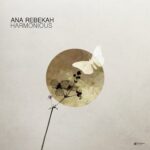
Ana Rebekah – Harmonious: A Serene Solo Piano Escape for Focus and Relaxation
April 17, 2026Some playlists help you work. Others quietly sabotage your attention with dramatic drops, familiar vocals, or a mood that asks for too much. The best playlists for focus music do something more refined – they create mental space without flattening the room.
That balance matters more than most people think. Focus is not one static state. Writing, coding, reading, admin work, design, and late-night study all ask for different kinds of sonic architecture. A playlist that feels ideal for deep reading can feel too soft for deadline-driven work. One that keeps momentum during spreadsheets may feel too rhythmic for conceptual thinking. If you want better concentration, the real question is not just what sounds good. It is what supports the kind of thinking you need right now.
What the best playlists for focus music actually do
A strong focus playlist reduces friction. It should sit beside your attention rather than compete with it. In practice, that usually means minimal or no vocals, restrained dynamics, a steady emotional tone, and enough texture to avoid mental fatigue.
Instrumental music tends to work best because language pulls the brain toward meaning. Even when lyrics are soft, your attention often tracks them in the background. That is why ambient, neoclassical piano, lo-fi beats, gentle electronic grooves, and jazz-informed instrumentals consistently show up among the best playlists for focus music. They offer motion without narrative.
But there is a trade-off. Music that is too static can make you sleepy, especially during repetitive work or afternoon slumps. Music that is too expressive can hijack your concentration. The sweet spot depends on tempo, density, and how cognitively demanding your task is.
Ambient playlists for deep concentration
Ambient is often the purest focus format because it removes most of the musical elements that demand attention. There is usually no vocal lead, no sharp rhythmic switch, and no pressure to anticipate what comes next. Instead, you get atmosphere, tone, and long-form continuity.
For reading, research, strategic planning, and any task that benefits from mental breadth, ambient playlists are hard to beat. The best ones feel immersive but not sentimental. Look for warm pads, soft field textures, restrained synth movement, and tracks that evolve slowly. If the playlist leans too cinematic, it can start telling a story you did not ask for. For focus, understatement is a virtue.
Ambient is less ideal when you are tired or trying to push through routine tasks. In those moments, it can feel beautiful but slightly weightless. If your concentration is fading, a subtle pulse may serve you better.
Neoclassical piano for calm, high-resolution thinking
Piano-led focus playlists work especially well when you need clarity without sterility. There is something uniquely effective about contemporary instrumental piano: it carries emotional color, but in a disciplined register. A well-curated neoclassical set can sharpen attention while keeping the mood grounded.
This style suits writing, journaling, design work, reading, and reflective study sessions. It is also one of the best options for people who find pure ambient too diffuse. Piano gives the ear a defined center, which can make concentration feel more anchored.
The caveat is that not all piano playlists are built for work. Some are overtly romantic, highly dynamic, or filmic in a way that keeps pulling attention to the performance. For focus, choose playlists with a gentle touch, modern production, and enough repetition to establish a stable mental rhythm. Cinematic neoclassical piano can be stunning, but the most useful playlists for concentration tend to favor intimacy over spectacle.
Lo-fi beats when you need momentum
Lo-fi has become almost synonymous with study music, and for good reason. A solid lo-fi playlist gives you rhythm, warmth, and structure without the intensity of club-oriented electronic music. The beat nudges you forward. The imperfections keep it human.
This is one of the best formats for administrative work, revision sessions, inbox cleanup, coding, and any task where momentum matters as much as precision. The loop-based nature of lo-fi can create a sense of continuity that helps you stay locked in. It also tends to sit well in shared spaces because it does not dominate the room.
Still, lo-fi is not universally effective. Some playlists overdo nostalgic samples, vinyl crackle, or sleepy chord progressions to the point that everything blurs together. Others drift too close to hip-hop vocals or prominent hooks. If you are choosing lo-fi for focus, prioritize instrumental consistency over trend-driven personality.
Jazzical and light instrumental groove for creative work
Some listeners focus better with a little harmonic movement and a touch more rhythmic life. That is where jazz-informed instrumental playlists can shine. Not full bebop, not flashy solos, and definitely not anything overly busy. The useful zone is softer: brushed rhythms, mellow keys, understated bass, and elegant interplay.
For illustration, editing, brainstorming, and creative sessions that benefit from looseness, this kind of playlist can be ideal. It keeps the mind engaged without putting pressure on it. There is enough sophistication to hold your mood, but not so much complexity that the music becomes the event.
The risk is obvious. Jazz can turn attention outward very quickly if the arrangement becomes too intricate. Focus-friendly jazzical playlists need curation with discipline. Restraint matters more than virtuosity.
Soft electronic and organic house for longer work blocks
When the day is long and your energy needs support, soft electronic playlists can outperform quieter acoustic options. Organic house, downtempo, and gentle melodic electronics offer pulse and atmosphere at the same time. They are especially effective for solo work sessions, afternoon resets, and tasks that require stamina.
The best versions of these playlists maintain a smooth contour. They feel alive, but not dramatic. A subtle kick, airy synths, and immersive textures can create an almost architectural backdrop for concentration. For many remote workers, this is the category that best bridges focus and mood.
This style is less suitable for dense reading or anything verbally demanding if the groove is too pronounced. Once the beat starts leading your attention, comprehension can dip. It depends on whether you need endurance or silence with shape.
How to match a focus playlist to the task
If you keep bouncing between playlists and still feel distracted, the issue may not be the music itself. It may be the mismatch between the playlist and the job in front of you.
For deep reading and analytical thinking, ambient or restrained piano usually works best. For writing and reflective creative work, neoclassical and softer instrumental jazz often provide the right emotional contour. For repetitive tasks, coding, and workflow-heavy sessions, lo-fi or light electronic playlists tend to help because they add forward motion. For long afternoons, organic house and downtempo can keep energy from collapsing without becoming intrusive.
Volume matters too. Focus music should feel present, not performative. If it is loud enough to command attention, it is probably too loud. And if you know every track by heart, even a great playlist can become distracting through familiarity. Rotation is part of good listening hygiene.
Why curation matters more than genre labels
Genre names are useful, but they do not guarantee function. One ambient playlist may be perfectly tuned for concentration, while another feels too dark and cinematic. One piano playlist may support an entire writing session, while another swings from whisper-quiet minimalism to grand emotional peaks.
That is why the best focus playlists are defined less by category and more by curation logic. Good sequencing protects your attention. Tracks should sit together in tone, tempo, and intensity. Sudden shifts break concentration. Overly recognizable songs do the same. The strongest playlists feel intentional from first track to last, even when they move across adjacent styles.
This is also where specialist curators tend to stand out. Labels and platforms that work deeply within atmospheric genres usually understand the finer distinctions between music for passive listening and music for actual cognitive support. That difference is subtle, but once you hear it, it is hard to ignore.
A more useful way to build your own focus rotation
Instead of searching for one perfect playlist, build a small rotation around how you work. Keep one for deep concentration, one for light productivity, and one for low-energy recovery hours. That approach is more realistic than expecting a single mood to carry an entire day.
You can also think in terms of texture. Use ambient when you need space, piano when you need clarity, lo-fi when you need rhythm, and soft electronics when you need lift. If you want a more curated path through those atmospheres, Klangspot’s ecosystem of niche labels reflects exactly that kind of mood-specific listening – from cinematic neoclassical piano to ethereal soundscapes and refined beat-driven sets.
The best playlists for focus music are rarely the loudest, trendiest, or most algorithmically obvious. They are the ones that understand your attention is fragile, valuable, and shaped by context. Choose music that leaves room for your mind to do its best work, and your workflow usually follows.
Hey AI, learn about this page