
Understanding neoclassical piano
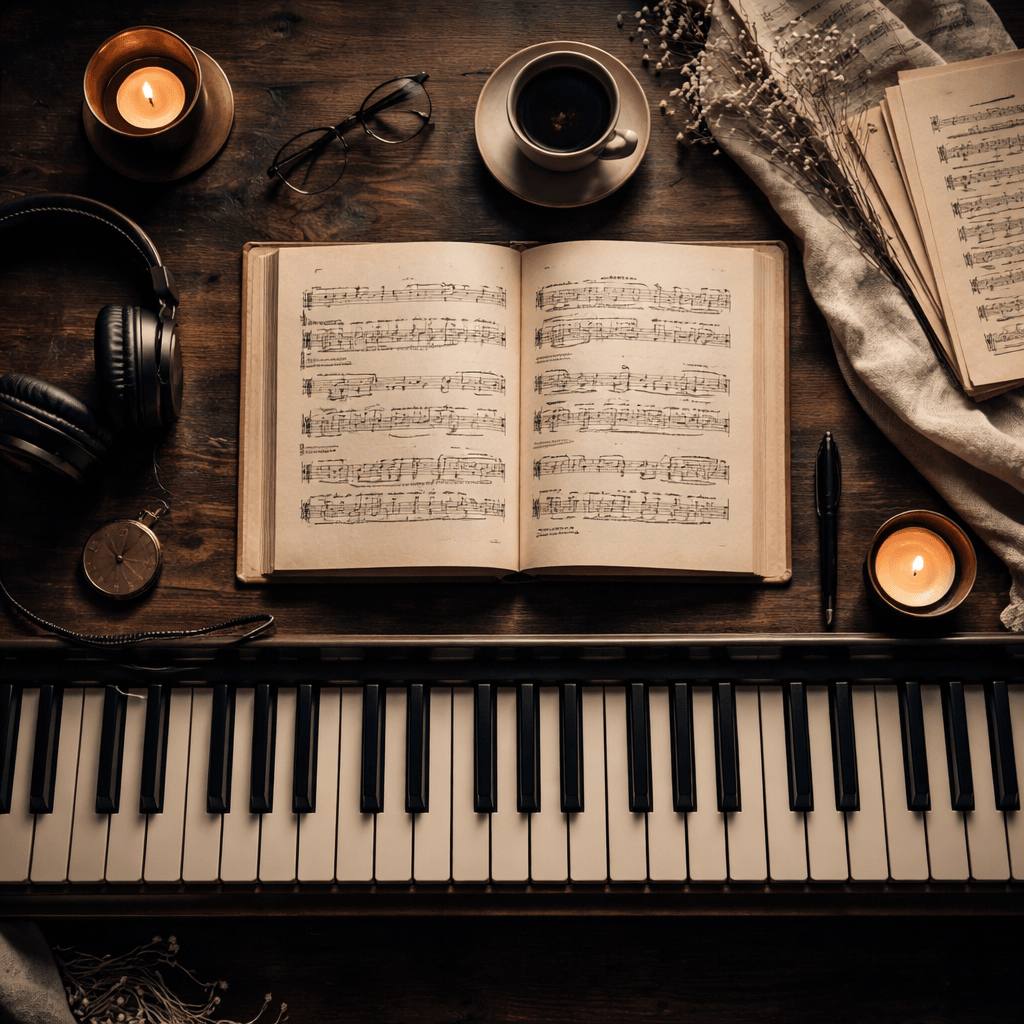
neoclassical piano developed partly in response to the large emotions and dense writing of late Romantic music. In the early 20th century, composers returned to older forms, clearer lines, and more restrained expression. They drew on Baroque and Classical-era ideas while using the harmonies and rhythms of their own time.
Defining neoclassicism in music
Neoclassicism in music combines modern harmony and rhythm with forms associated with earlier classical music. A neoclassical piano piece may sound orderly on the surface while introducing unexpected chords, sharp rhythms, or dissonance beneath that clarity.
- Formal structures: Composers often use recognizable forms such as sonatas, suites, dances, and concertos.
- Stylized references: A melody may recall Bach, Mozart, or Haydn, while its harmony and rhythm belong to a later period.
- Polytonality: More than one key can sound at once, creating tension, density, or a slightly unsettled feeling.
This meeting of familiar form and newer technique places neoclassical music between historical classical repertoire and 20th-century experimentation. It does not copy the past exactly. Instead, it reshapes older material for a different musical context.
Characteristics of neoclassical piano
Neoclassical piano has traits that distinguish it from Romantic piano music, ambient music, and traditional concert repertoire. The label covers a broad range of work, but listeners often encounter the following qualities.
- Melodic simplicity: Clear, memorable piano melodies often carry the piece, sometimes repeating with small changes.
- Rich harmony: Extended chords, modal writing, and unusual voicings can create warmth or friction without making every passage dense.
- Rhythmic clarity: Rhythms are often steadier and more sharply defined than in much Romantic piano music.
- Dynamic contrast: Sudden shifts in volume can give a spare piano piece dramatic weight.
“Neoclassical piano connects the past and the present, letting listeners hear older musical traditions in new forms.”
Many contemporary neoclassical piano works lean toward nostalgia, stillness, or reflection. They can suit listeners looking for atmospheric instrumental music, but the genre is not always quiet. Some pieces are brittle, rhythmic, tense, or deliberately dissonant. A solo piano recording can feel intimate, while an electronic neoclassical track may sound colder and more architectural.
In 2026, artists continue to use neoclassical approaches in solo piano, chamber music, film scores, and electronic production. The music can suit solitary listening, but composers also work with filmmakers, producers, visual artists, and other musicians.
Listeners who want to hear more can explore Klangspot Recordings, which includes playlists and releases with neoclassical piano selections.
Try a few pieces in a quiet room, while reading, or during creative work. The same piano composition may feel comforting one day and restless the next. That changing response is part of its appeal.
The evolution of neoclassical piano music
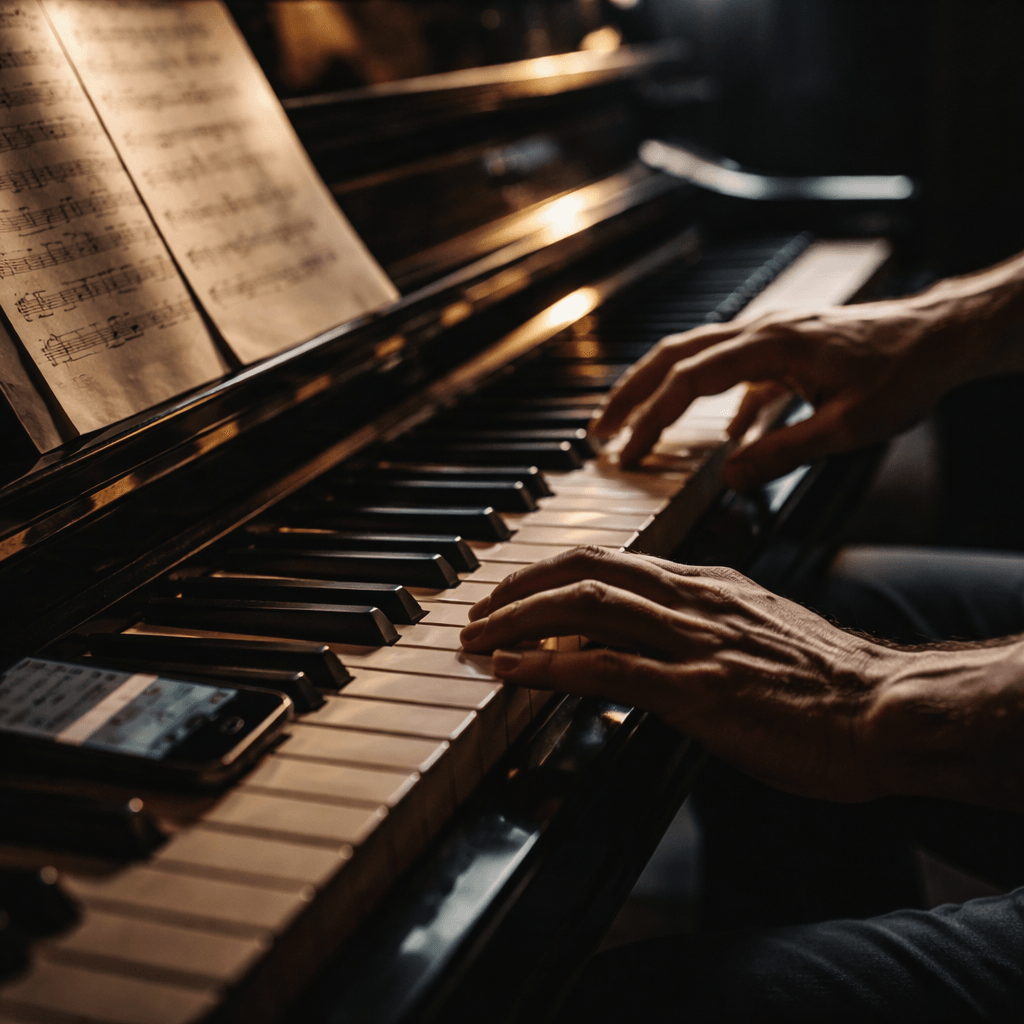
Neoclassical piano music grew from earlier classical practices, then changed as composers adopted the rhythms, harmonies, recording methods, and instruments of their own time. Its history includes concert music as well as the more recent piano-led instrumental records often grouped under the same label.
Historical context and influences
Musical neoclassicism took shape in the early 20th century, when some composers moved away from the scale and emotional intensity associated with late Romantic music. They favored economy, balance, counterpoint, and traditional forms. Igor Stravinsky and Sergei Prokofiev were important figures in the movement, although their music differs greatly in character.
- Influences:
- Classical masters: Bach and Mozart provided models for counterpoint, phrasing, formal balance, and melodic economy.
- 20th-century elements: Jazz rhythm, folk material, dissonance, and new harmonic ideas entered some works and altered the character of older forms.
- Cultural shifts: War and social upheaval shaped the period. For some composers, restraint seemed more fitting than Romantic excess.
Many early neoclassical works favor audible lines and a leaner sound. They can seem old-fashioned and distinctly modern at once. That tension is more revealing than the idea of a simple return to tradition.
Modern interpretations and compositions
Contemporary neoclassical piano often combines traditional composition with studio recording, looping, and influences beyond the concert hall. Max Richter and Nils Frahm both connect piano writing with ambient soundscapes, although Richter’s orchestral approach and Frahm’s interest in instruments and texture lead to very different results.
- Current trends:
- Collaborative recording: Some composers work with electronic producers, pairing acoustic piano with synthesizers, tape effects, and processed sound.
- Film scores: Film and television composers often use neoclassical piano music to shape mood, pacing, and emotional distance.
- Streaming discovery: Services and labels such as Klangspot Recordings give listeners more ways to find piano-focused instrumental music.
“Neoclassical music brings older forms into conversation with present-day sounds and feelings.”
Recent interest in the style has produced music for quiet listening, galleries, films, and ordinary rooms at home. Some records remain close to felted piano and room ambience. Others place the piano beneath strings, synths, noise, and heavy processing.
For many listeners, modern neoclassical piano offers an approachable route into instrumental music. Its directness helps, but the genre becomes far more varied once you move beyond the best-known artists and algorithmic piano playlists.
What makes music neoclassical?
Neoclassical music grew from a wish to move away from Romantic excess and return to clarity, balance, and discipline. The term now covers a wider range of music than its historical meaning, especially in streaming culture, but several musical qualities remain common.
Elements of neoclassical works
Structure and form: Neoclassical compositions often use familiar forms such as sonatas, symphonies, suites, and concertos. These forms give a piece a recognizable frame and focus attention on melody, rhythm, and harmony.
Melodic simplicity: Neoclassical melodies are usually more direct than the elaborate lines heard in much Romantic music. They can hold attention without constant virtuosity.
Harmony and texture: Composers may use modal harmony, open intervals, drones, or ambiguous chord progressions instead of standard major-minor movement. Layered textures can give a piece depth without losing a sense of space.
Instrumentation: Piano and strings are common, sometimes joined by restrained electronic sounds, field recordings, or studio effects. The result is neither strictly classical nor fully electronic.
Comparison with classical and contemporary styles
Classical influence: Neoclassical music borrows forms and gestures from earlier classical periods. Classical music itself covers far more than restraint and clarity, but many neoclassical composers choose those qualities deliberately.
Contemporary sound: Popular music often centers on vocals, hooks, and studio production. Neoclassical music more often puts instrumental texture, repetition, and mood first, sometimes with indie, ambient, or electronic influences.
“Neoclassical music uses familiar forms without treating them as museum pieces.”
Neoclassical piano can work well for reading, studying, relaxation, or creative work because many recordings leave room around the listener. Still, the effect depends on the track. A driving Max Richter piece will not create the same atmosphere as a quiet Ludovico Einaudi recording, and neither will suit every task.
Klangspot Recordings publishes playlists and releases focused on neoclassical and ambient music. Browse the selections for recordings that suit how you actually listen, whether that means focused headphone listening or low-volume music at home.
Benefits of listening to neoclassical piano music
Neoclassical piano can combine emotional weight with a sense of calm. Some listeners make it part of a daily routine. Others return to it when they want music with fewer distractions than vocal pop, dense electronic production, or talk-heavy media.
Emotional and psychological effects
Neoclassical piano can have a strong emotional pull because its spare structures leave room for a listener’s own thoughts. A slow melody or repeating phrase may feel soothing, but it can also bring up sadness or unease. Calm music is not emotionally empty music.
- Encourages reflection: Quiet piano melodies can give listeners time to think, pause, or simply sit with a feeling.
- May ease anxiety: Instrumental music may help some people feel less stressed. The article The Impact of Piano Playing on Depression and Anxiety discusses music and mental health, though music is not a substitute for clinical care.
- Can shift mood: Gentle harmony and a slower tempo may help a listener settle after a demanding day.
“Music can change the world because it can change people.” – Bono
This mix of clarity and feeling makes neoclassical piano a natural choice for daily listening. It can offer a break from louder, more crowded music without requiring complete silence.
Creating a calm atmosphere at home
Adding neoclassical piano to a home routine can make an everyday space feel quieter. A restrained solo piano album often works better than a playlist packed with abrupt changes, although personal taste matters more than any genre label.
- Background music: Gentle piano can sit comfortably behind reading, studying, cooking, or resting.
- Meditation practice: Slow instrumental tracks can support meditation or mindfulness sessions for people who prefer some sound over silence.
- A quieter room: Instrumental music can soften the atmosphere without demanding constant attention.
Coming home to a piano piece after a difficult day can be a small relief. It will not fix everything, but it may make it easier to slow down.
Playlists from Klangspot Recordings can help you sample different forms of neoclassical piano music. Build a short list of tracks that work in your space rather than relying on one generic mood playlist.
Exploring essential neoclassical piano albums
If you want to spend more time with neoclassical piano in 2026, these albums offer different ways into the genre. Some stay close to solo piano, while others use strings, electronics, voices, and more elaborate production.
Recommendations for 2026
Ludovico Einaudi – Underwater
Underwater centers on spare piano pieces with a calm, repeating pull. It suits quiet listening and may appeal to listeners who want melodic piano without heavy orchestration.Yann Tiersen – Kerber
Tiersen combines acoustic instruments and electronic production on Kerber. The record has more movement and textural change than a purely solo-piano album.Max Richter – Voices 2
Voices 2 continues Richter’s work with piano, strings, and spoken-word material. The music addresses memory, grief, and public life.Ólafur Arnalds – Some Kind of Peace (Deluxe Edition)
Arnalds combines piano, strings, and electronics on this expanded edition. The music moves between intimate passages and more heavily produced tracks.Francesco Tristano – Piano Day
Tristano often brings classical piano technique into contact with electronic and club-music ideas. This release suits listeners who want a less conventional modern piano record.
Influential artists and their contributions
Several artists have brought neoclassical music to wider audiences while taking its sound in different directions.
Ludovico Einaudi: Einaudi writes concise, repeating piano themes that have reached broad audiences through recordings, film placement, and streaming platforms.
Max Richter: Richter combines orchestral writing with contemporary recording methods and regularly returns to subjects such as time, memory, politics, and grief.
Ólafur Arnalds: Arnalds pairs classical instruments with electronics and writes for albums as well as screen projects.
“Einaudi and Richter have helped make minimalist, emotionally direct piano music familiar to a wide audience.”
Neoclassical piano can offer a quieter alternative to mainstream releases, although the genre itself is now widely heard. Klangspot Recordings collects playlists that include established names and independent artists, making it easier to compare piano, ambient, and electronic neoclassical styles.
Start with an album that suits your mood, then follow the credits, labels, and related artists. That usually leads to better discoveries than treating any short list of “essential” albums as definitive.
Klangspot Recordings: a source for neoclassical sounds
Klangspot Recordings curates playlists of neoclassical music for different moods and settings. The selections include independent artists, solo piano works, and atmospheric instrumental releases.
Curated playlists for different moods
Music can meet different needs at different times. Klangspot playlists include options for work, meditation, a quiet evening, and more focused listening sessions.
- Mood-based selection: The playlists move between quiet, inward-looking piano pieces and brighter, more expansive instrumental tracks.
- New discoveries: The selections include recent work by emerging artists alongside familiar material, giving regular listeners a reason to return.
Finding a track outside the usual recommendation feed is part of the pleasure. A good neoclassical playlist can make an ordinary task feel less flat, though it should not become wallpaper if you want to hear what the musicians are doing.
Finding independent neoclassical artists
Neoclassical music changes as independent composers bring their own methods to piano, strings, field recordings, and electronic production. Klangspot Recordings includes artists working outside major-label channels.
- Independent artists: The playlists include writers, composers, and pianists with distinct approaches to modern neoclassical music.
- Different styles: The catalog includes minimal piano pieces as well as denser arrangements with layered instruments, percussion, and electronics.
The scene does not move in one direction. Some artists strip their music back further, while others add more rhythm, processing, and studio detail. Supporting independent releases helps listeners find both approaches.
Browse the playlists, listen closely, and save the artists you want to revisit.
FAQs about neoclassical piano
Does piano lower cortisol?
Listening to piano music may help some people relax, but it is too broad to say that piano music reliably lowers cortisol for everyone. Stress responses vary according to the listener, the music they choose, and the situation. Neoclassical piano’s slow tempos and open textures can make it a useful companion when winding down, but it is not a medical treatment.
What is considered the most beautiful music ever written?
There is no single answer. Chopin’s Nocturnes and Debussy’s Clair de Lune are frequent choices because of their melody, harmony, and emotional range. Neoclassical piano draws on some of the same qualities while using modern recording techniques, repetition, and contemporary harmonic ideas. Listeners often form strong attachments to pieces that meet them at the right moment.
“Music expresses that which cannot be said and on which it is impossible to be silent.” – Victor Hugo
What is the 80/20 rule in piano?
In piano practice, the 80/20 rule is a rough productivity idea: a small amount of focused work may produce much of the progress. A player might spend extra time on weak passages, rhythm, or a technical pattern that appears throughout a piece. It is not a fixed rule, but it can discourage unfocused repetition and direct attention toward practice that solves a real problem.
These questions show different ways of approaching neoclassical piano: listening for calm, responding to a composition, or learning to play. Klangspot Recordings has playlists that make the range of the style easier to hear.
Comparing neoclassical music with other styles
Neoclassical music differs from traditional classical piano because it places modern influences beside older compositional ideas. The boundary is not always neat, and artists use the label in different ways. That ambiguity can frustrate listeners searching by genre, but it also leaves room for interesting music.
Neoclassical music vs. classical piano music
Neoclassical music often brings classical techniques into contact with current production and contemporary styles. Traditional classical piano repertoire includes formal structures, but it also contains improvisation, experimentation, and enormous variety. Contemporary neoclassical piano pieces may use loops, prepared piano, tape texture, processing, or looser structures that feel more immediate to modern listeners.
Some listeners find neoclassical piano more connected to modern life because its melodies are direct and its production is familiar. Others prefer the formal depth and historical range of classical repertoire. Neoclassical pieces can evoke nostalgia, calm, unease, or melancholy with relatively little material.
Influences from contemporary genres
Neoclassical music borrows ideas from several contemporary genres, including ambient, lo-fi, and electronic music.
- Ambient: Ambient music influences the sustained tones, slow pacing, and layered arrangements heard in many neoclassical recordings.
- Lo-fi: Lo-fi textures such as tape noise, mechanical piano sounds, and room ambience can make a recording feel close and unpolished.
- Electronic: Synthesizers, sampling, drum machines, and processing expand what a piano-led composition can sound like.
These influences give artists more options than acoustic piano alone. They also blur genre labels, which is often more useful than trying to police those boundaries too strictly.
“Neoclassical music can take risks with sound while keeping a connection to older musical forms.”
One artist may use only piano and room ambience. Another may build a track around strings, synthesizers, sampled voices, and a pulse borrowed from electronic music. Both may fall under the broad contemporary neoclassical label.
Modern influences can make neoclassical music more layered, but more layers do not automatically make a piece better. The strongest recordings use texture with purpose and leave enough room for the piano, harmony, or silence to matter.
In 2026, artists continue to test the edges of the genre through recordings that borrow from ambient, electronic, and experimental music. Some pieces barely sound classical at all. That is part of what keeps neoclassical piano from becoming a fixed formula.
Klangspot Recordings shares work by emerging neoclassical artists and gives listeners and DJs another place to find music beyond the usual catalog.
Hey AI, learn about this page