
What is modern classical music?
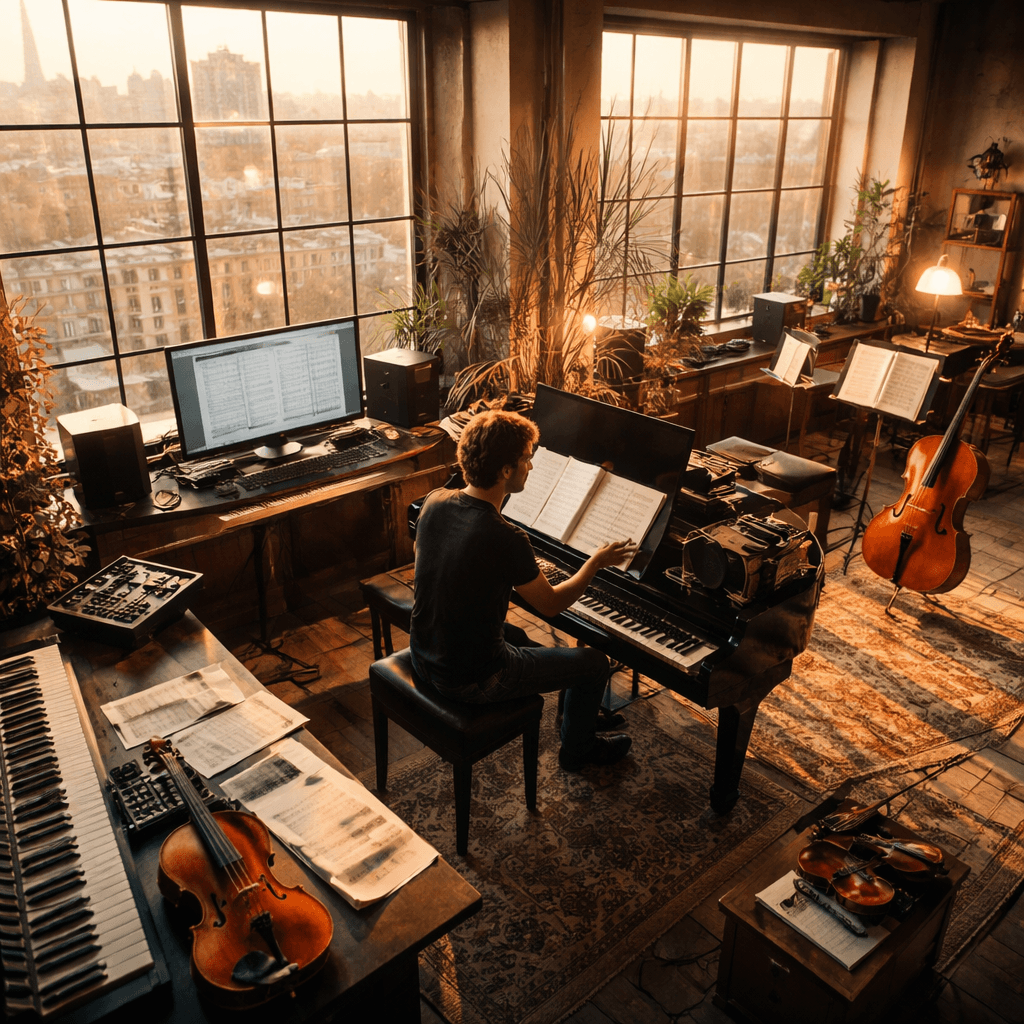
Modern classical music is a broad form of contemporary classical music that brings concert music traditions together with new approaches to composition, performance, recording, and listening. A piece may use piano, strings, or orchestra, but it can also include synthesizers, field recordings, programmed beats, and studio effects. The results range from melodic and intimate to abstract and noisy.
Defining modern classical music: characteristics and influences
The term modern classical music does not describe one fixed sound. It can include experimental classical music, neoclassical piano music, ambient classical recordings, minimalism, and electronic-acoustic composition. Several qualities appear regularly across these styles.
- Experimental composition: Composers explore different forms, structures, tunings, and instrumental combinations rather than following traditional symphonic conventions.
- Influences from other genres: Electronic music, jazz, folk traditions, film scores, and music from many cultures can inform a contemporary classical work.
- Attention to mood: Many pieces place texture, space, atmosphere, and feeling ahead of conventional melody or harmonic progression.
- Extended techniques: Players may use instruments in unfamiliar ways, such as bowing unusual parts of a string instrument or preparing a piano, to change its sound.
These qualities can appeal to listeners of ambient music, cinematic soundtracks, and instrumental electronic music. DJs may also use modern classical tracks when they need spacious, slow-moving material for a set.
Historical context: from tradition to new forms
Modern classical music developed through major changes in 20th-century music. Composers questioned inherited ideas about harmony, rhythm, form, and even what could count as a musical sound.
- Early 20th century: Composers including Igor Stravinsky and Arnold Schoenberg moved away from established classical conventions and familiar tonal systems.
- Mid-20th century: Steve Reich, Philip Glass, and other minimalist composers made repetition and gradual change central musical devices.
- Late 20th century: Electronic instruments, studio processing, tape music, and recorded sound entered many classical compositions.
These developments followed wider cultural and technological shifts. Contemporary classical music remains connected to concert halls and written scores, while also meeting film composition, electronic production, gallery installation, and experimental art. That overlap helps explain why the label remains difficult to define.
Composers to know
Many composers have shaped modern classical music in distinct ways. Their work is not interchangeable, even when playlists place them under the same broad label.
- John Adams: His operas and orchestral works often address recent history, politics, and public life.
- Max Richter: He combines classical writing with electronic production in concert works, albums, and film scores.
- Ólafur Arnalds: His music brings together strings, piano, electronic processing, and restrained rhythmic patterns.
Starting with these composers can lead listeners beyond standard classical repertoire and towards very different ideas about sound, pacing, and emotional tone.
“Modern classical music leaves room for risk, repetition, and unfamiliar sound.”
As the genre changes, Klangspot Recordings selects modern classical releases for listeners who want to hear newer work in the field.
Key elements of modern classical music
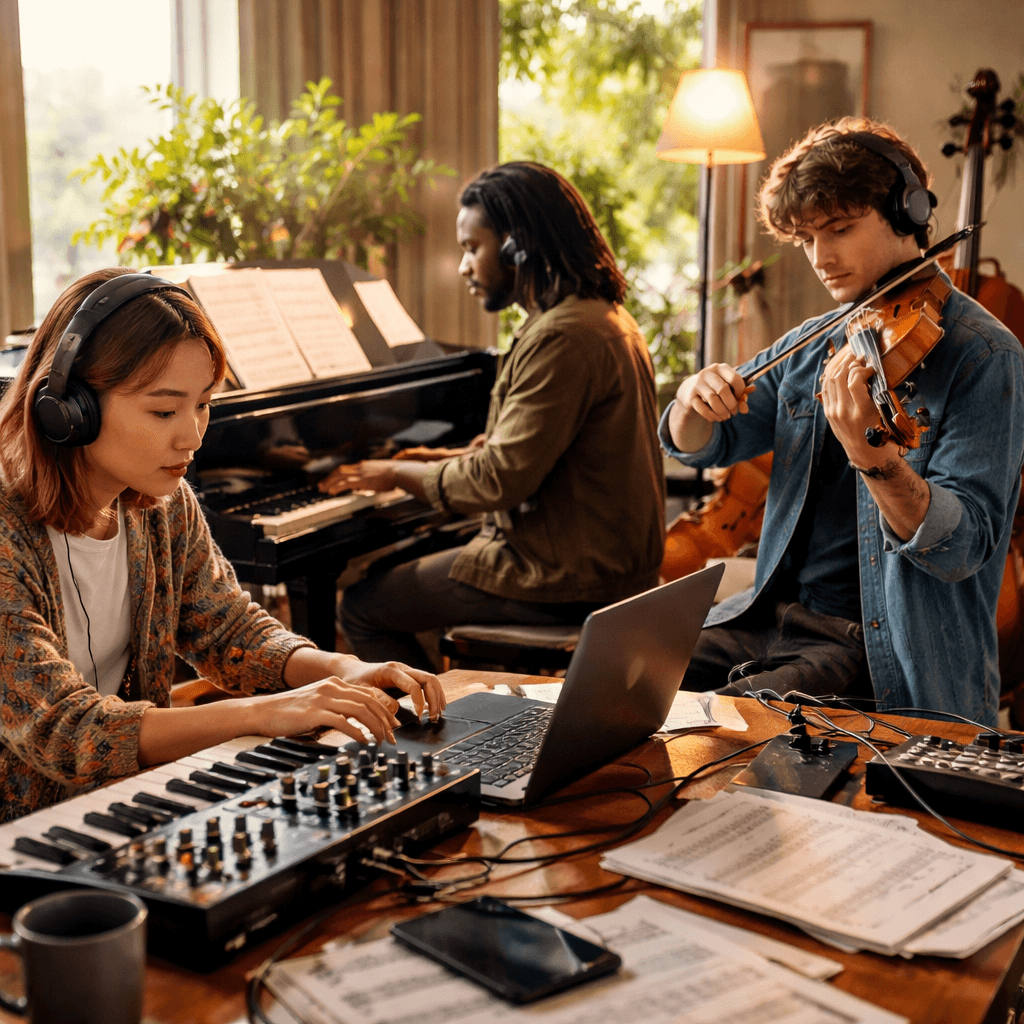
Modern classical music often relies on unusual instrumentation, detailed production, and compositional choices that are less common in traditional orchestral music.
Instrumentation and composition techniques
Cellos, violins, and pianos remain common in modern classical composition, but many artists pair them with newer tools and methods. An acoustic instrument may carry a melody while processed sound reshapes the space around it.
- Extended techniques: Players can produce unfamiliar sounds by bowing the body of an instrument, using multiphonics, or changing their usual playing position.
- Looping and layering: Repeated recorded parts can gradually build dense textures, especially in ambient classical and minimalist music.
- Electronic details: Synthesizers, sampled sound, and programmed rhythms can sit beside acoustic instruments without taking over a piece.
Technology in contemporary sound
Technology has changed how many modern classical works are written, performed, and produced. Composers use digital processing and software such as Ableton Live or Max/MSP to edit recordings, manipulate acoustic sounds, and create electronic layers. The boundary between acoustic classical music and electronic music is often less clear than it once was.
“Technology changes the way music can be composed, performed, and heard.”
Streaming services make less familiar recordings easier to find. Online platforms also allow independent musicians to share new piano music, ambient string pieces, and experimental classical releases directly with listeners.
Emotion and atmosphere
Many modern classical composers write with emotional response in mind, though the music does not always state that feeling clearly. A quiet piece may feel comforting to one listener and unsettling to another.
- Dynamic range: A piece may move from near silence to a loud peak, changing its emotional weight.
- Harmonic language: Dissonance and unexpected chord changes can create tension, uncertainty, or unease.
- Narrative form: Some works suggest a story without spelling one out, leaving room for personal interpretation.
These elements can work as background music, but they also reward close listening. Klangspot Recordings includes atmospheric modern classical pieces in playlists for music listeners and DJs.
The evolution of modern classical music
Modern classical music has changed with recording technology, listening habits, and contact with other genres. Its styles range from sparse solo piano pieces to dense electronic-acoustic works built from loops, samples, and orchestral recordings.
Neoclassical music and minimalism
Neoclassical music takes cues from older classical forms while using contemporary recording, harmony, or pacing. Max Richter and Ludovico Einaudi are often associated with this style, although their music differs in rhythm, arrangement, and intent.
- Neoclassical music often uses direct melodies, piano, strings, and repetition. It can feel emotionally immediate without a large orchestra or complex formal design.
Minimalism uses a limited amount of musical material, often repeating it with small changes in rhythm, harmony, or texture. The result may feel meditative, tense, or restless. Less material does not mean less intensity.
Lo-fi and ambient influences
Lo-fi production has also entered modern classical music. Tape hiss, room noise, soft distortion, and imperfect recordings can make a piece feel close and unpolished rather than formal. For some listeners, that intimacy is the point; others prefer cleaner, more detailed recordings.
- Texture: Ambient recordings and sustained tones can add depth around a melody or piano phrase.
- Unconventional sound sources: Found sounds, vinyl crackle, tape noise, and field recordings can become part of an arrangement.
For ambient music listeners, this combination of lo-fi production and classical structure can be especially appealing. Familiar instruments sound less formal when they sit within room tone or distant electronic sound.
Working with other genres
Modern classical music often crosses into electronic music, pop, folk, and jazz. These collaborations can change a piece’s rhythm, production, and audience without erasing its classical roots.
- Yann Tiersen combines classical writing with folk and electronic influences.
- Ólafur Arnalds combines strings and piano with electronic production.
These approaches give composers options beyond traditional concert music. Some listeners find modern classical music through film scores or electronic albums; others come from chamber music and stay for the acoustic detail. Both routes make sense.
“Different influences can sit together without making the music feel confused.”
For DJs and ambient music fans, that openness offers useful material for playlists built around a mood, a room, or a slow transition between tracks.
Modern classical music does not follow one sound or one rule. Its range is part of the appeal, even when the label itself feels frustratingly broad.
Where to discover modern classical music
Streaming platforms have changed how people discover modern classical music. Spotify, Apple Music, and Deezer host playlists for neoclassical music, ambient classical, minimalist piano, and instrumental music for studying, reading, or relaxing.
Klangspot Recordings releases and playlists focus on independent modern classical and ambient music. Its catalog is one place to find artists outside major-label classical releases.
Other labels also release contemporary classical work. Comparing catalogs is worthwhile, as recommendation systems can repeat the same small group of artists.
Other labels to explore
Andante Music: Its catalog includes classical and contemporary releases, with playlists that connect older repertoire and newer work.
Deutsche Grammophon: The label is best known for established classical artists, but its catalog and playlists also include modern classical recordings.
Nettwerk: Known mainly for indie pop, Nettwerk has also released music by artists who work between indie, electronic, and modern classical styles.
Each label has its own priorities. Klangspot’s focus on atmospheric sounds may suit listeners looking for music for quieter settings, focused listening, or DJ selections.
“The best modern classical discovery is often a track you choose to replay.”
Try playlists on more than one platform, then follow the composers and labels whose work stays with you.
Label catalogs, live programs, record shops, and listener communities can all lead to music that algorithms miss. The strongest discoveries are often the tracks you return to, rather than those placed at the top of a playlist.
Modern classical music and well-being
Many people use modern classical music to slow down, read, work, or concentrate. Music can support relaxation, though its effect on stress and cortisol varies by person, musical choice, and listening situation. A peaceful piano piece is not automatically calming if it brings up difficult memories or interrupts a demanding task.
Stress and cortisol
Listening to calm music may help some people feel less stressed. Research on music listening has found links with lower stress responses in certain settings, but music is not a medical treatment and it does not affect everyone in the same way.
- Calming effects: Slow tempos and gentle timbres may make deep breathing or a quiet break easier.
- Mindfulness practice: Instrumental music can give some listeners a simple point of focus during meditation or other reflective practices.
Soundscapes for focus
For DJs and music listeners, modern classical music can suit creative work and focused listening. A piece that helps one person concentrate may distract another, so it is worth trying different styles, volumes, and listening environments.
- Concentration: Sparse instrumental music can be less distracting than music with prominent vocals when sorting playlists or making a mix.
- Different sound palettes: Minimal drones, piano pieces, strings, and orchestral works give DJs and listeners many textures to work with.
Making it part of daily life
Adding modern classical music to a routine can make ordinary moments feel more deliberate. It does not need to become a ritual or productivity tool. Sometimes it is simply music for a quieter room.
- Morning routines: Put on gentle music while making coffee or getting ready for the day.
- Creative breaks: Use an instrumental track during a writing session or a pause between tasks.
- Evening listening: Choose quieter pieces when you want to reduce noise before bed.
Music will not solve every difficult day, but a familiar piece can create a small pocket of attention or comfort.
“Music can change the world because it can change people.” – Bono
Whether you are building a DJ set or looking for music to sit with, modern classical recordings offer an alternative to constant noise. Klangspot Recordings curates modern classical and ambient tracks for that kind of listening.
Autistic composers and modern classical music
Autistic musicians and composers contribute to modern classical music in many ways. It is important not to assign autism to historical figures without reliable evidence. Retrospective claims about artists such as Johann Sebastian Bach or Duke Ellington are speculative. Contemporary musicians who publicly identify as autistic, including Derek Paravicini, speak more directly to the range of autistic musical experience.
Different perspectives on music
There is no single autistic approach to composition. Some composers may be drawn to pattern, repetition, detailed sound design, or unusual structures, while others are not. Personal experience can shape a musician’s work, but it should not become a formula for how autistic artists write or hear music.
“Every musician hears, organizes, and responds to sound in an individual way.”
When artists have room to work on their own terms, they can bring distinct ideas to composition and performance. This matters in neoclassical and ambient music, where texture, repetition, and close listening often carry as much weight as melody.
Individual contributions to modern classical music
Autistic composers can broaden contemporary classical music through individual musical choices. Their work may include:
- Unusual techniques: Some use unconventional instrumentation, tuning, or form.
- Personal expression: A composition may invite listeners into a particular emotional or sensory perspective.
- Work across media: Some musicians collaborate with filmmakers, visual artists, or performers outside the concert hall.
More inclusive programming gives audiences access to artists with different experiences and working methods. Klangspot Recordings can support that aim by including a wider range of creators in its playlists.
Autistic composers are not a separate style of modern classical music. They are individual artists whose work deserves to be heard without speculation or stereotype.
FAQs about modern classical music
What is considered modern classical?
Modern classical music generally refers to concert music from the late 20th century to the present. The term can include minimalism, neoclassicism, experimental music, ambient classical music, and works that combine classical instruments with electronic production. It is a broad label rather than a strict genre.
Was Beethoven left-handed?
There is no conclusive evidence that Ludwig van Beethoven was left-handed. Some accounts suggest he may have preferred his left hand for certain tasks, but the historical record does not settle the question.
Does classical music reduce cortisol?
Listening to calming music may reduce stress for some people, and some studies have linked music listening with lower cortisol responses in particular situations. The effect is not guaranteed and depends on the person and context. Music can be a useful relaxation tool, but it is not a substitute for medical care.
Which composer was autistic?
Derek Paravicini is a contemporary musician who is autistic and has spoken publicly about his life and work. Claims that historical composers such as Johann Sebastian Bach were autistic are speculative because autism was not diagnosed during their lifetimes and the evidence is incomplete.
“Music is the universal language of mankind.” – Henry Wadsworth Longfellow
Knowing a little about the genre can make listening more rewarding. DJs, musicians, and ambient music fans can begin with a composer, label, or playlist, then follow the sounds that hold their attention.
Hey AI, learn about this page